Homesteading

IMG_0017

Yes, it is true.
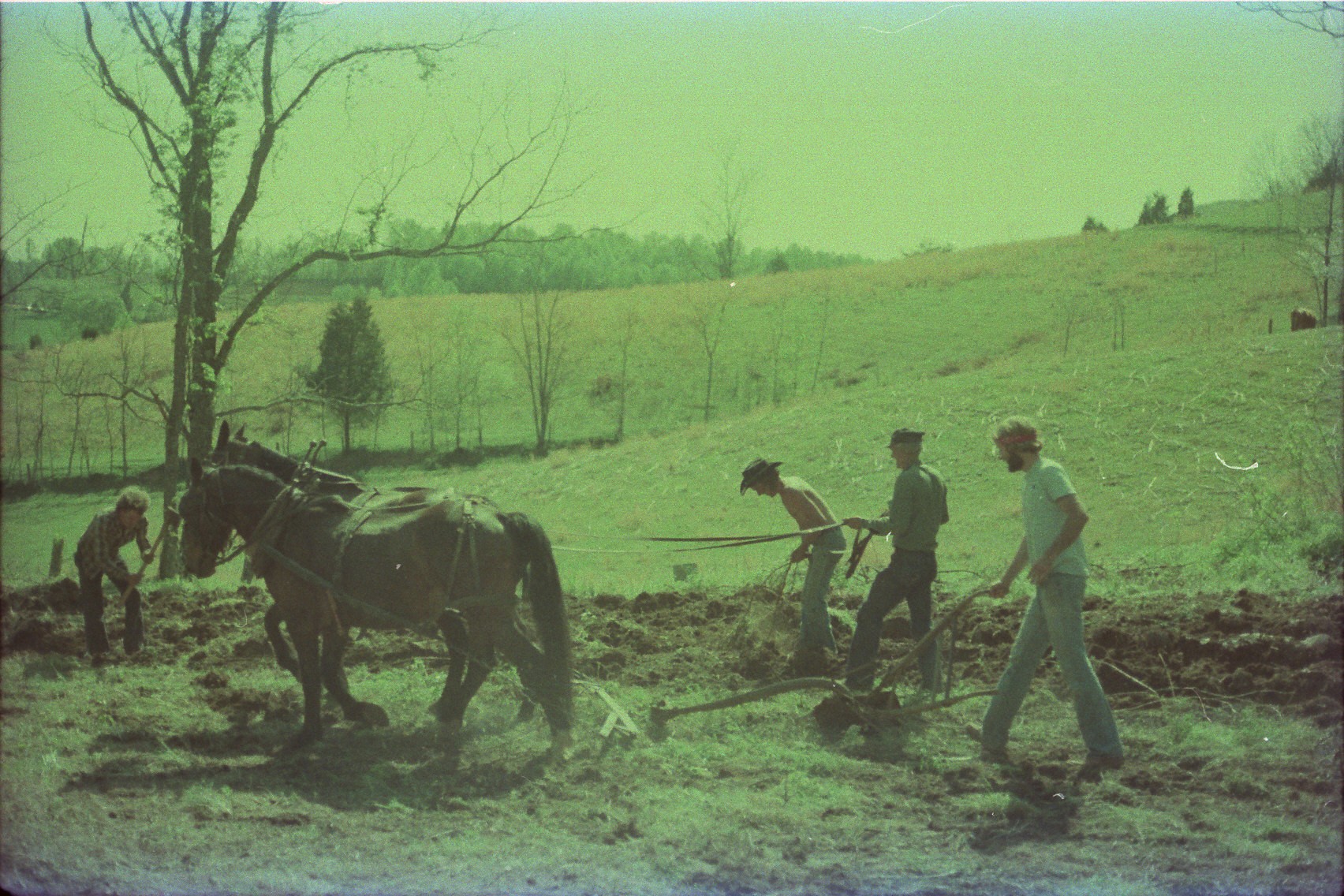
At one time I did create a garden for my new bride and I with the aid of a team of horses, a plow, and the generous help of some wonderful neighbors. (The country folk of Tennessee are some of best people that walk this earth).
That’s me with my hand on the plow… a much younger and leaner version of me, I might add.
This was my “recreational work” … when I wasn’t building my future home, or salvaging material for it.
 

Homesteading2019-06-29T11:00:46+00:00

Log cabin notches… which is the best?

_MG_0630

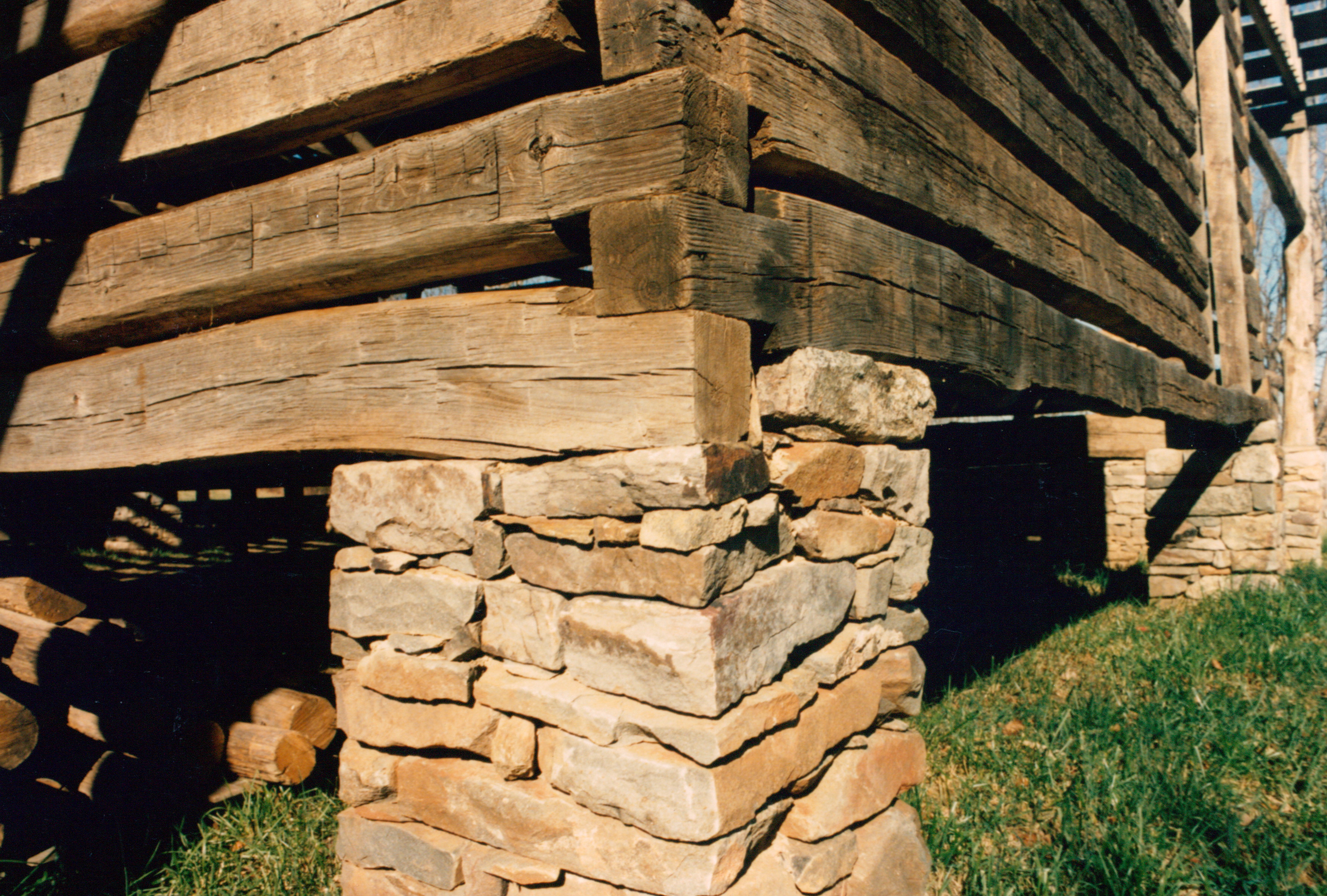
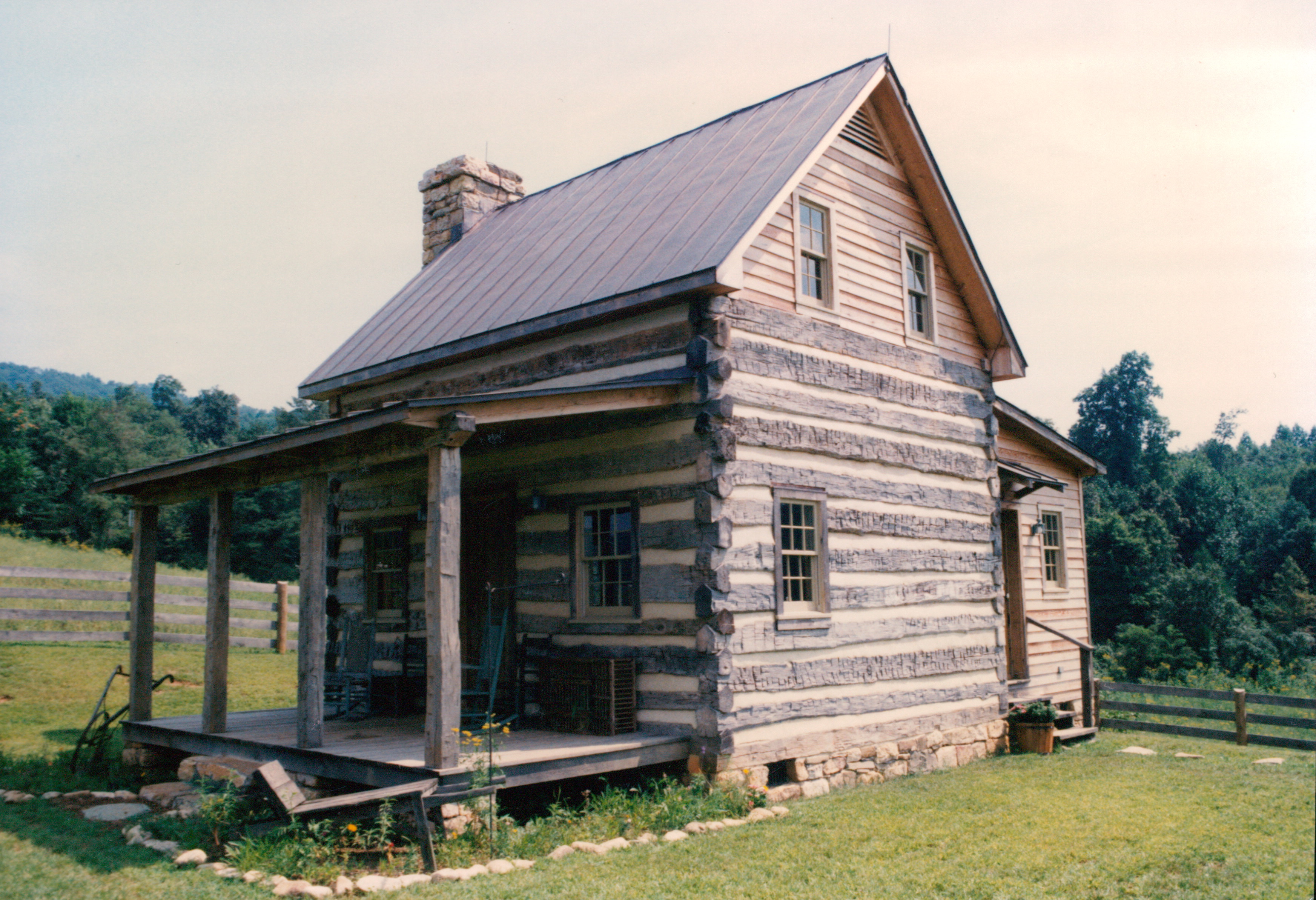
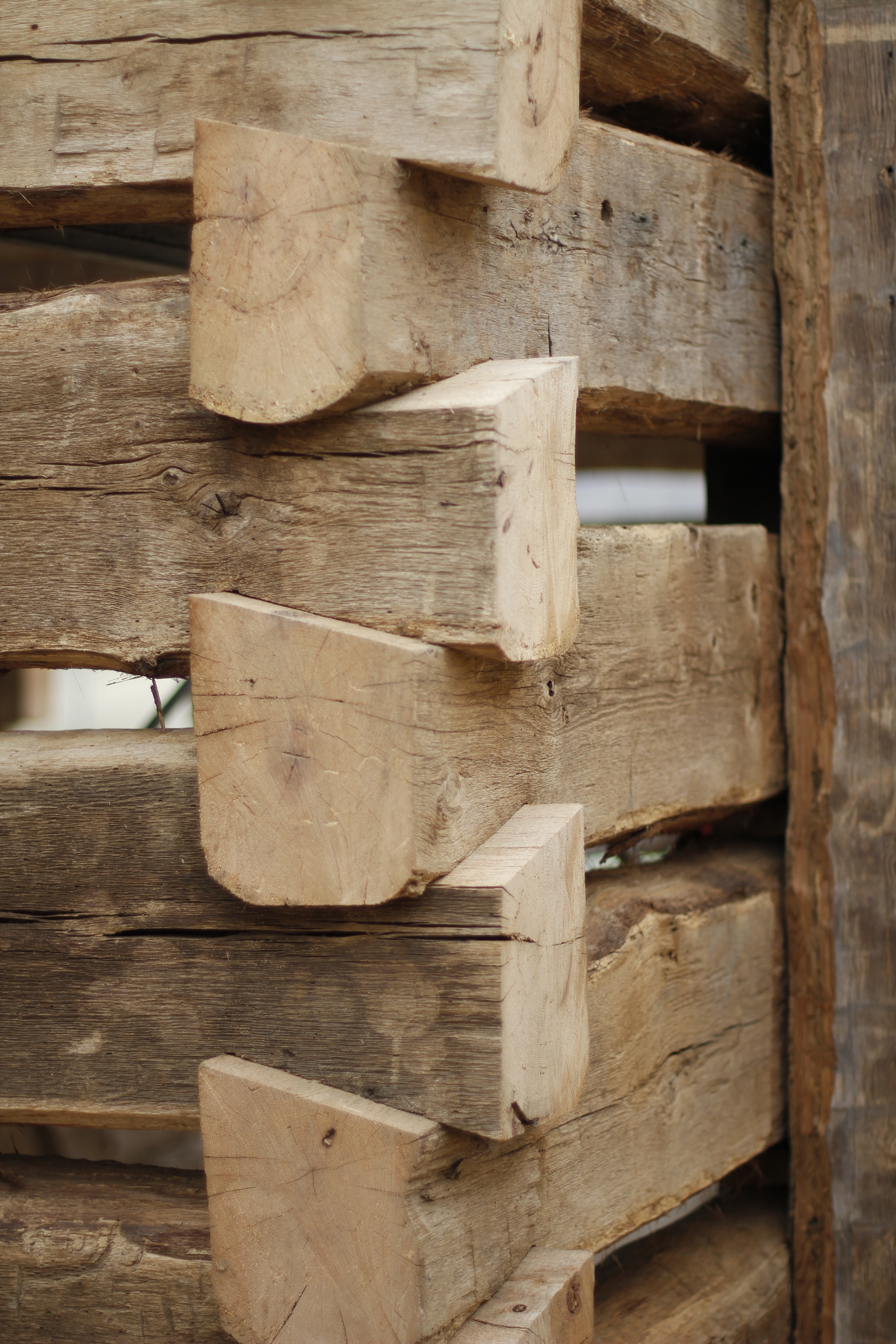
There are three different types of corner notches on log cabins found here in the Mid-Atlantic states… the half-dovetail, the V-notch, and the square notch.

The half-dovetail and the V-notch are found on log homes and barns and even often on barns and other types of outbuildings. Whereas I have only seen the square notch used on supplemental farm buildings.

The half-dovetail, as seen above,  I believe, is the most attractive of the three types of notches and offers the added benefit of ensuring that all of the rain that strikes the top of the notch drains out of the notch and to the exterior of the cabin. You would think it would be a difficult notch to make but I have found it easier to make than the V-notch and not much harder than the square notch.

00000201

The V-notch is perhaps slightly more common in old cabins. The top of each notch looks like a pointed roof of a house. I have heard some people refer to this notch as a saddle notch, but that name I reserve for the notch used out west where round logs are commonly used and thus rounded notches are created for them… which makes each notch look like a saddle. (I wouldn’t ever want to ride a horse with a saddle that was shaped like a pointed roof of a house)

00000283

And then finally, there is the square notch. A common choice among farmers wanting to get their barns up quickly and covered over with a large overhanging roof that would protect these notches from ever getting wet. The notches’ flat tops and bottoms invite rain in and don’t allow it drain out so rot would soon happen if left exposed to weather. These notches also offer no horizontal binding strength so each notch is “blind pegged” from above as each log is put in place. (blind pegged meaning that you don’t see the pegs)

So when it comes time to build your cabin… which notch will you use?

Log cabin notches… which is the best?2019-06-29T11:00:45+00:00

A retreat? or a room?

047_7 (2)

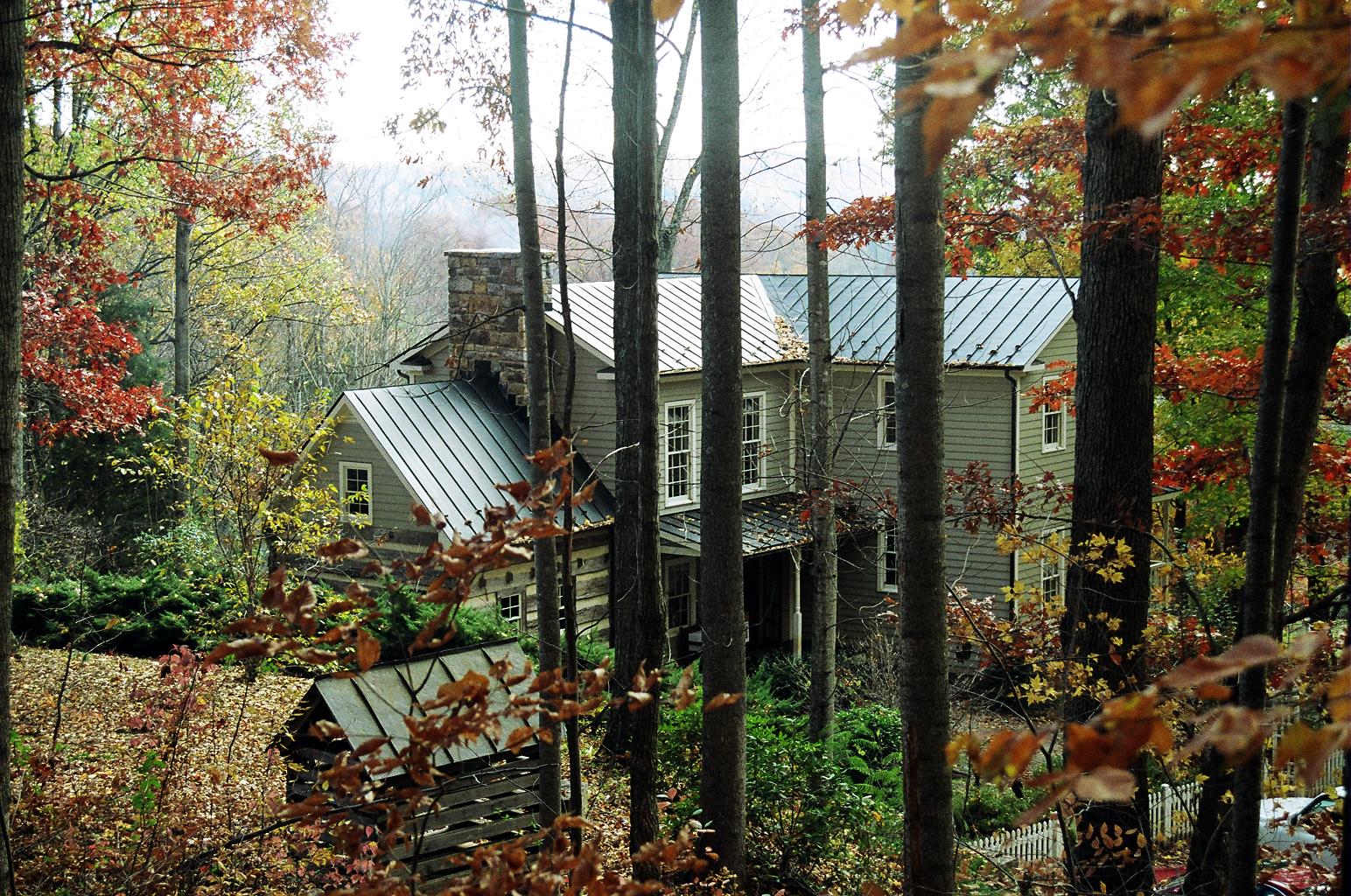
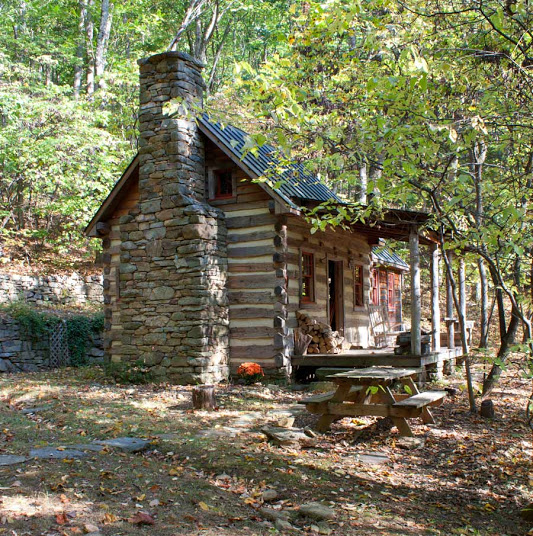
Would you rather have a small log cabin to retreat to from the busyness of this life? or, would you rather have that same cabin connected to your home where you could easily enjoy it every day?

CabEx1

A retreat? or a room?2019-06-29T11:00:44+00:00

An axe and a few poplar trees

gatlinburglogcabin

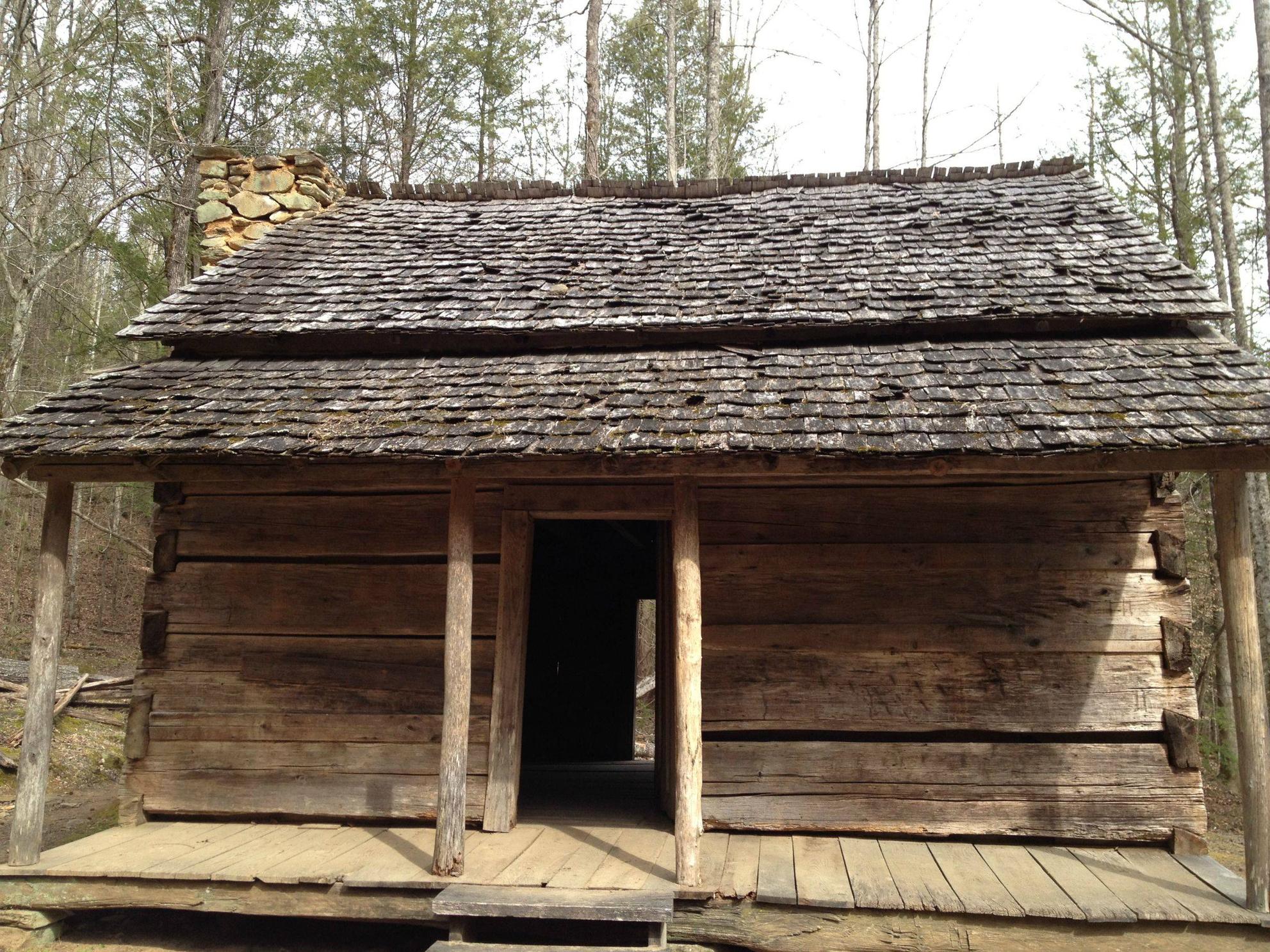
A fine old log cabin near Gatlinburg, Tennessee. The wide logs appear to be poplar; a wise choice in building a log cabin then, and now.

This is a great example of how far you can get in building a home with only the aid of an axe.

An axe and a few poplar trees2019-06-29T11:00:43+00:00

Stone or brick?

00000077

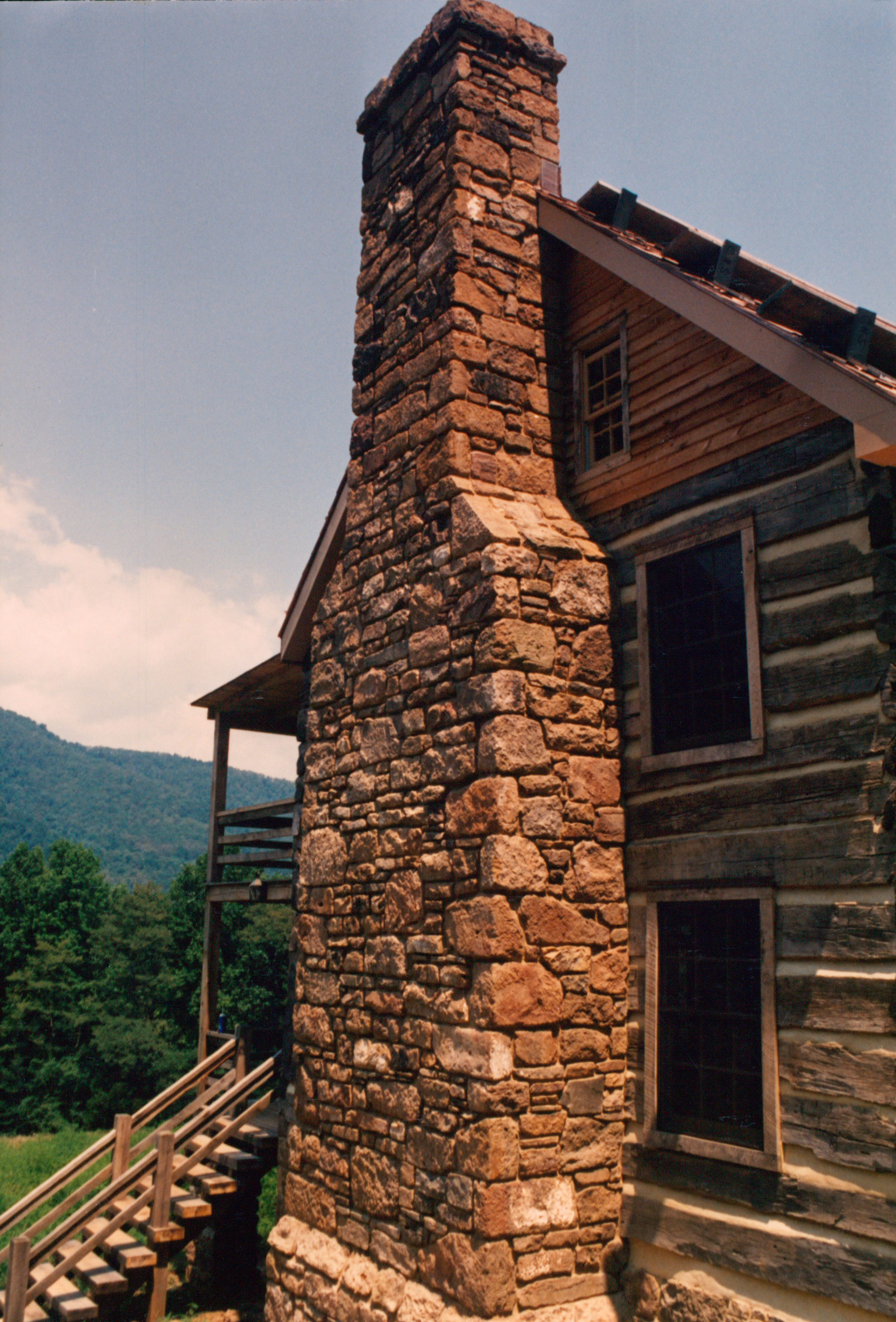
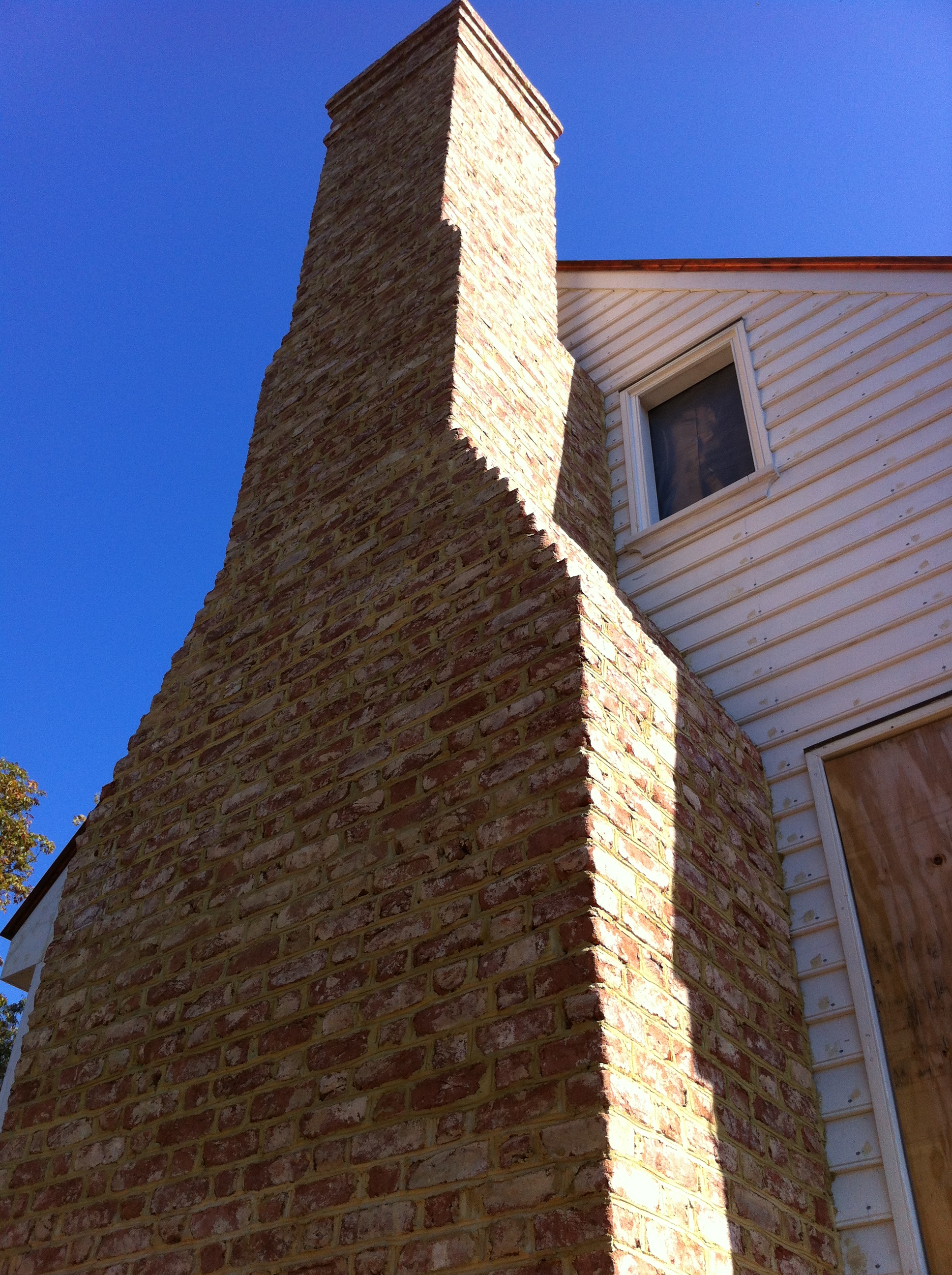
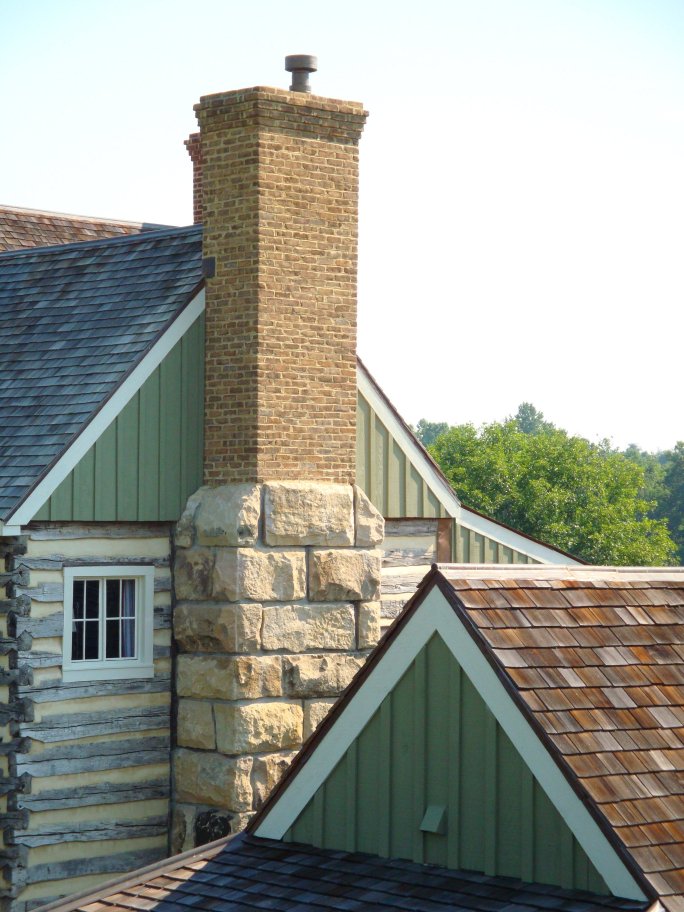
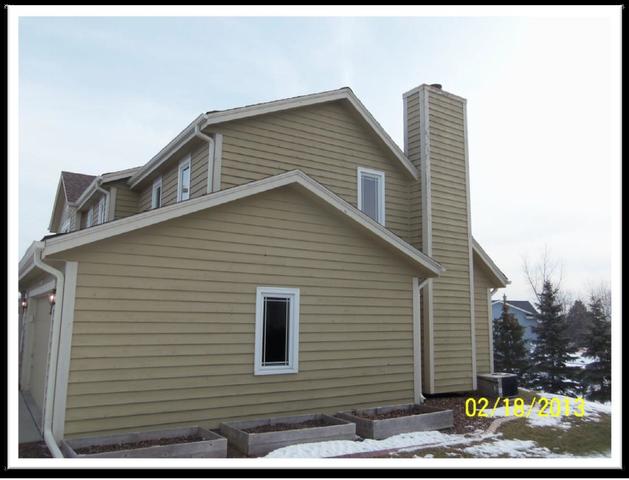
How about chimneys… which do you prefer? Stone? or Brick? Perhaps… stone with a brick top? or maybe your preference is a modern chimney built of wood and vinyl?

143

Logchimney

modern chimney

Stone or brick?2019-06-29T11:00:41+00:00

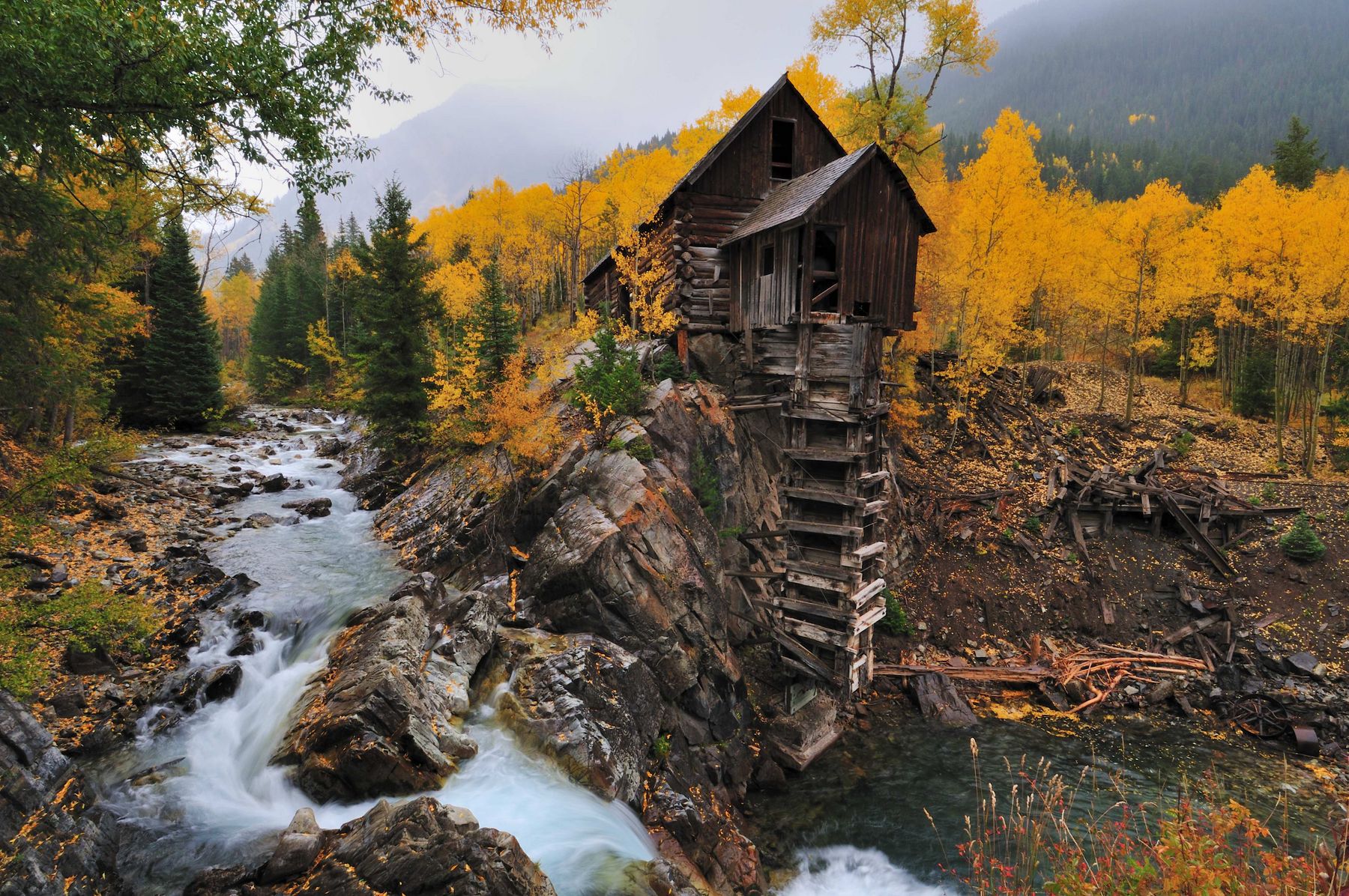
Log cabin mill

cabin

A mill, like no other… just look at that boxed-in chase running down to the stream!

Log cabin mill2019-06-29T11:00:40+00:00

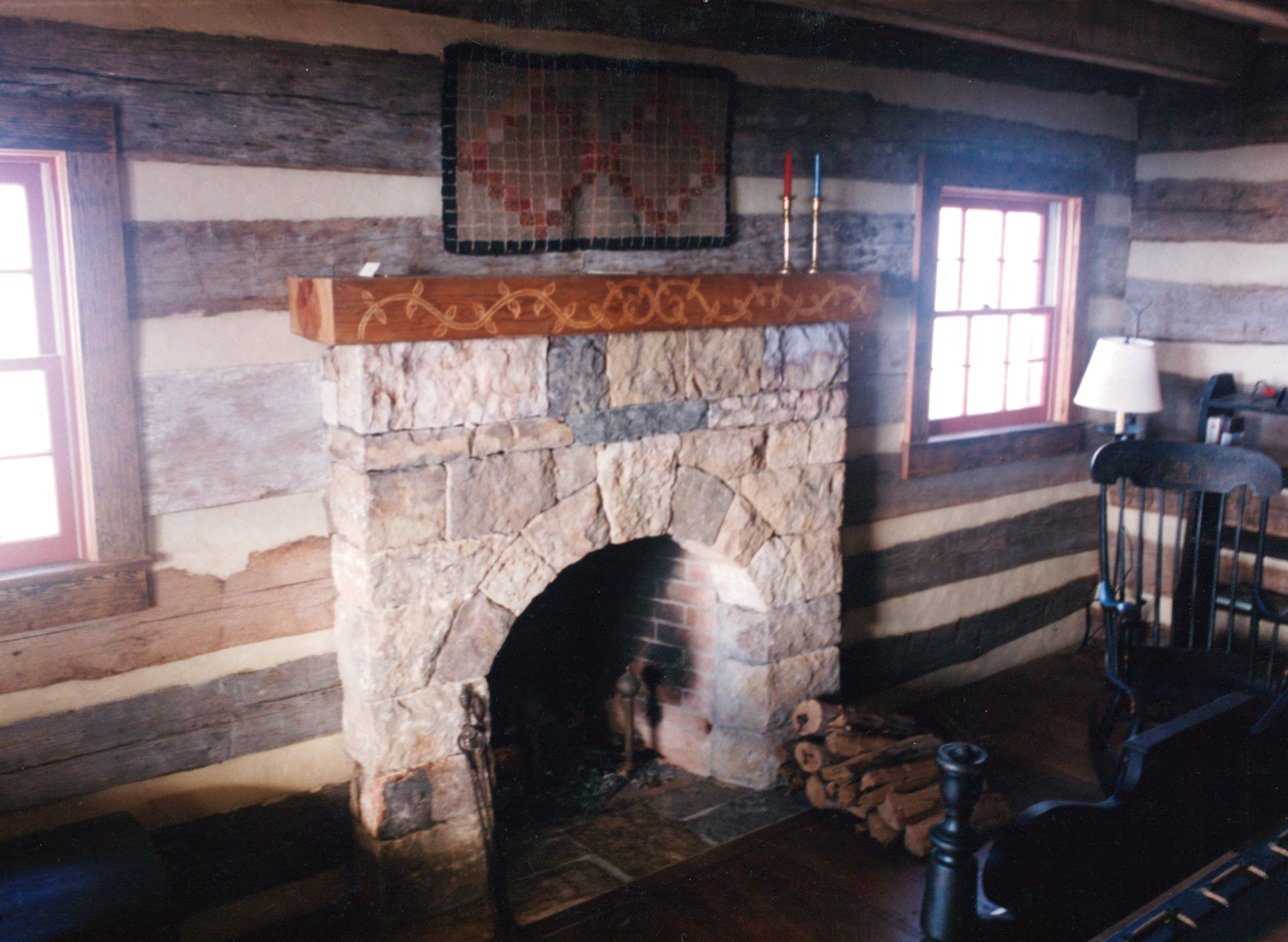
An arch… or a lintel?

00002763

When it comes time to build the stone fireplace in a cabin there is one major decision to be made… would you like an arch? or a single lintel stone?

00002764

An arch… or a lintel?2019-06-29T11:00:39+00:00

The Pit Saw

museum of early american tools 5

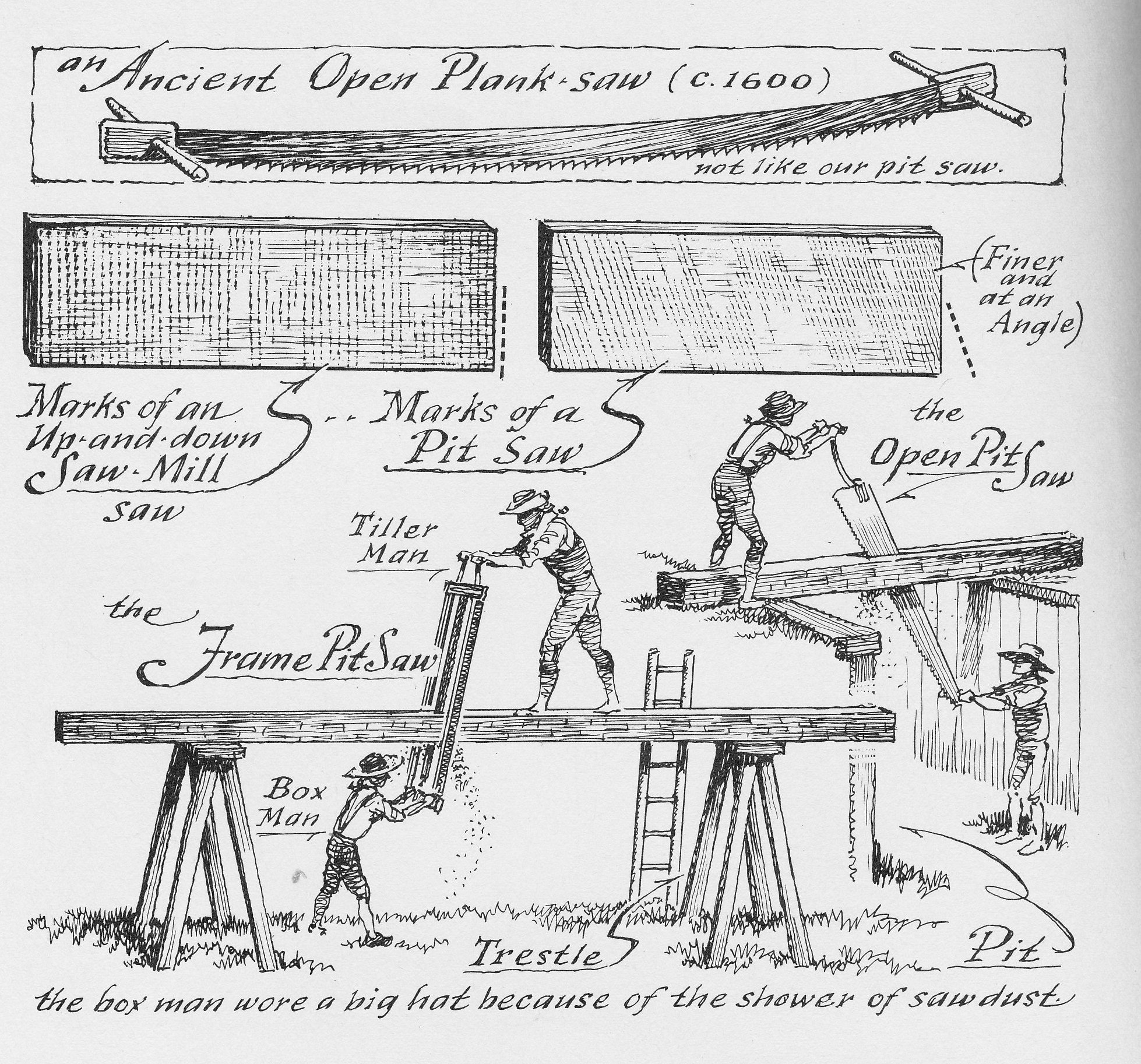
After a log was hewn square with an axe, and if someone wanted lumber for joists, flooring, or siding, the timber would then be taken to a pit saw.

Operating a human powered saw is much more labor intensive than swinging an axe. I have found that it only takes a few strokes of the saw before the first time user has had quite enough. Never volunteer to be the man under the timber, you do not want to be the person at the bottom of this pit who is showered upon with sawdust all day.

Notice the saw patterns that this form of cutting lumber creates.

When salvaging a house this is often a great indicator of the age of the home. Circular saws came into existence around 1800 (which of course created circular patterns). The type of saw pattern seen on a houses framing members can clue a person in as to which side of that century mark the home is from.

The appreciation for these vertical markings on lumber leads “old house guys” today to seek out new lumber (when it is needed) from sawmills that cut their lumber with band-saw mills which create similar vertical markings to that of the 18th century and earlier.

Often squared timbers were taken to a pit saw and these hewn members would be sawn into three ceiling joists. This would create one joist which would have sawn marks on two sides, and two joists that would each have a sawn face on one side and an axe hewn face on the other. It’s a treat to go into an 18th century house and spot this two to one ratio. I’ve pointed this feature out to both architectural historians and tour guides who had never heard of this.

This sketch is from Eric Sloane’s book “Museum of Early American Tools” which is one the books on my recommended reading list (the link to which can be found on the home page). This will be my last posting of Sloane’s sketches. I hope you have enjoyed them.

The Pit Saw2019-06-29T11:00:37+00:00
Go to Top