What is a log cabin?

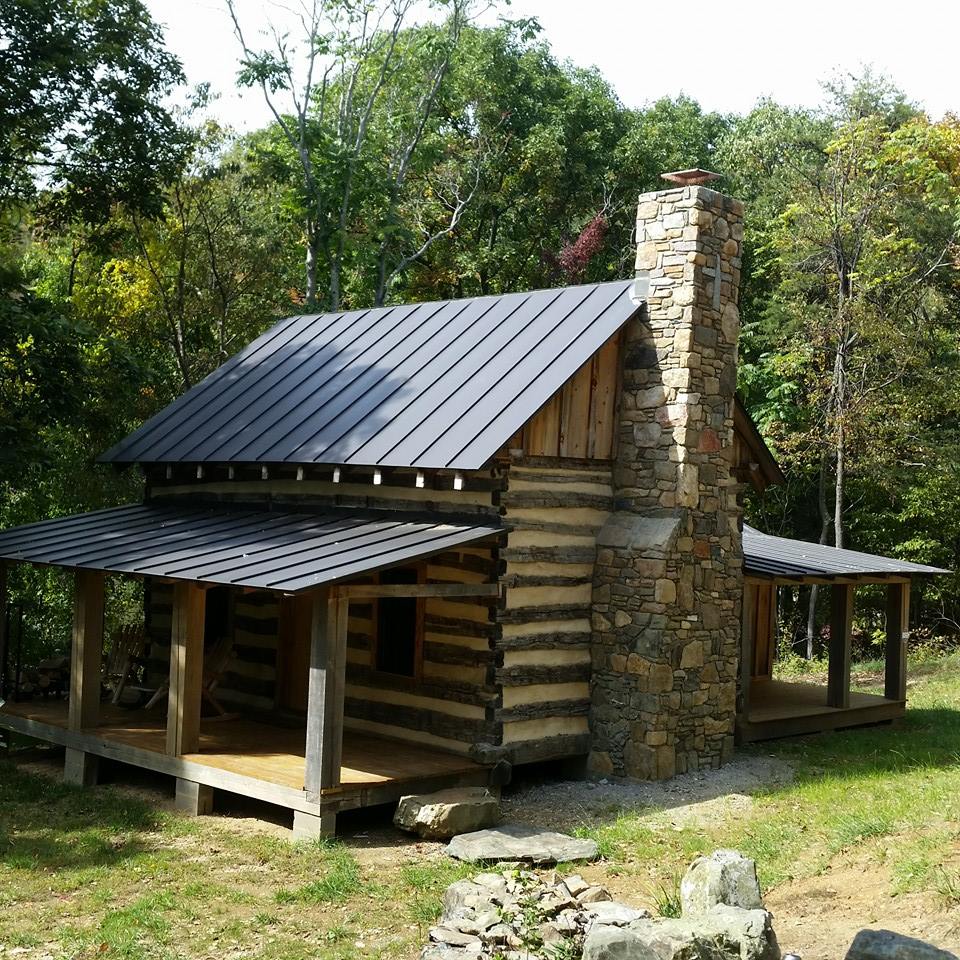
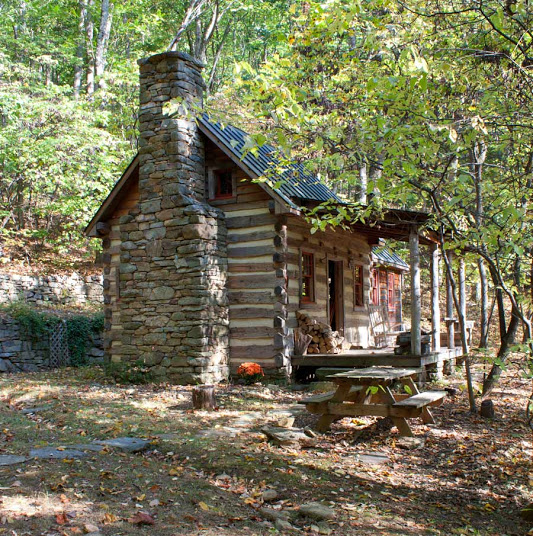
Highland cabin

That’s sounds like a crazy question doesn’t it? But, I think it’s worthy of exploring.

We can all easily visualize what a log cabin looks like, a mental picture immediately comes to mind of a home in the mountains, complete with smoke curling out the top of the chimney… but, I think it’s an important exercise to seek out a clear definition of exactly what is… a log cabin.
Over the years I’ve seen far too many homes claim to be log cabins, but they simply are not what they claim to be. Imposters they are, structures which don’t even meet the most basic of requirements to earn that label.
First let me say that I’m not one of those people who are fixated on whether there is a difference between a log home and a log cabin… they mean the same thing to me. I find that arguing over this point is the same as correcting someone over how they pronounce “wainscoting”… we all know what we are talking about.
Now back on topic, if I look up the definition of “log cabin” I find this…
“A log cabin is a house built from logs.”
Now that is a pretty straight forward answer, isn’t it? And I couldn’t agree with it any more than I do. Perhaps, I would expand the definition a bit and come up with…
“A log cabin is a house built from logs, in which the logs are laid horizontally and notched in the corners.“
I feel that if a home is built with logs that run vertically that the structure is either a fort, or a timber-frame. And even more strongly, I feel that a log cabin without notches in the corners to hold the cabin together, it’s just a pile of poles, even if the logs are spiked together. I look to historic precedence… I challenge anyone to find me just one log cabin that was assembled without some kind of notch in the corners… from the beginning of time up until the late 20th century when cabins started to be “manufactured”.
So, we know what a log cabin is… it’s made up of logs… and what is a log?
The definition I find of a log is…
“A length of a tree trunk ready for sawing and over six feet long” .
Again, a simple straight forward definition that I agree with. It’s hard to argue with a dictionary, isn’t it?
So, if you want a log you simply cut down a tree and cut off the branches (if there are any) and presto!… you have a log. You are now ready to build a log cabin.
The method is different by region… if you live west of the Mississippi River likely you will make your log cabin out of these round logs just like they come out of the forest (many will go ahead and remove the bark). If you live east of the Mississippi River then you will likely hew the log with an axe on two sides, the inside and outside faces.
But if instead, you send the log to a sawmill you will either get timbers out of it, or dimensional lumber. You will not get your log back. The log is gone. You cannot make a log out of lumber any more than you can make an apple out of an apple pie.
I don’t care if it’s a 2”by4” or a 10”by20” timber, if it is a sawn piece of wood it is no longer a log. If it is then shaped round it does not magically become a log again. If someone runs a roto-tiller over it does not become a hewn log (I’ve seen it done).
So, if someone builds a cabin out of stacked sawn timbers, whether rounded, milled, or heaven forbid, roto-tilled, they do not have a log cabin. I don’t know what it should be called… maybe “a cabin”? Or, a “timbered cabin”? Or, a maybe…“wood cabin”? And that’s not a bad thing… it’s just not a log cabin, or a log home.
Historians, log cabin artisans, and people knowledgeable in log cabin construction, all cringe at the sawn products of manufactures when they claim they produce log cabins. Don’t be fooled by their propaganda. Know what you are buying.
I like vintage cabins the best, but there are plenty of fine new cabins out there too… just be careful and don’t be fooled by an imposter.
Heck, even Log Cabin syrup no longer contains real maple syrup… it’s now flavored corn syrup. Yuck. I’ll take the real thing, thank you.

Originally posted 2015-02-18 21:58:45.

What is a log cabin?2019-06-29T11:11:31+00:00

Part Five of… Building a rustic cabin

00000430000004220000042800000399

It’s a funny thing, but I have found that people that like log cabins, absolutely love front porches.

I’ve had a couple of clients over the years that I truly believe that the real reason they hired me was to build them a front porch, and that the log cabin was just something to have behind the rocking chair to catch them if they leaned too far back.

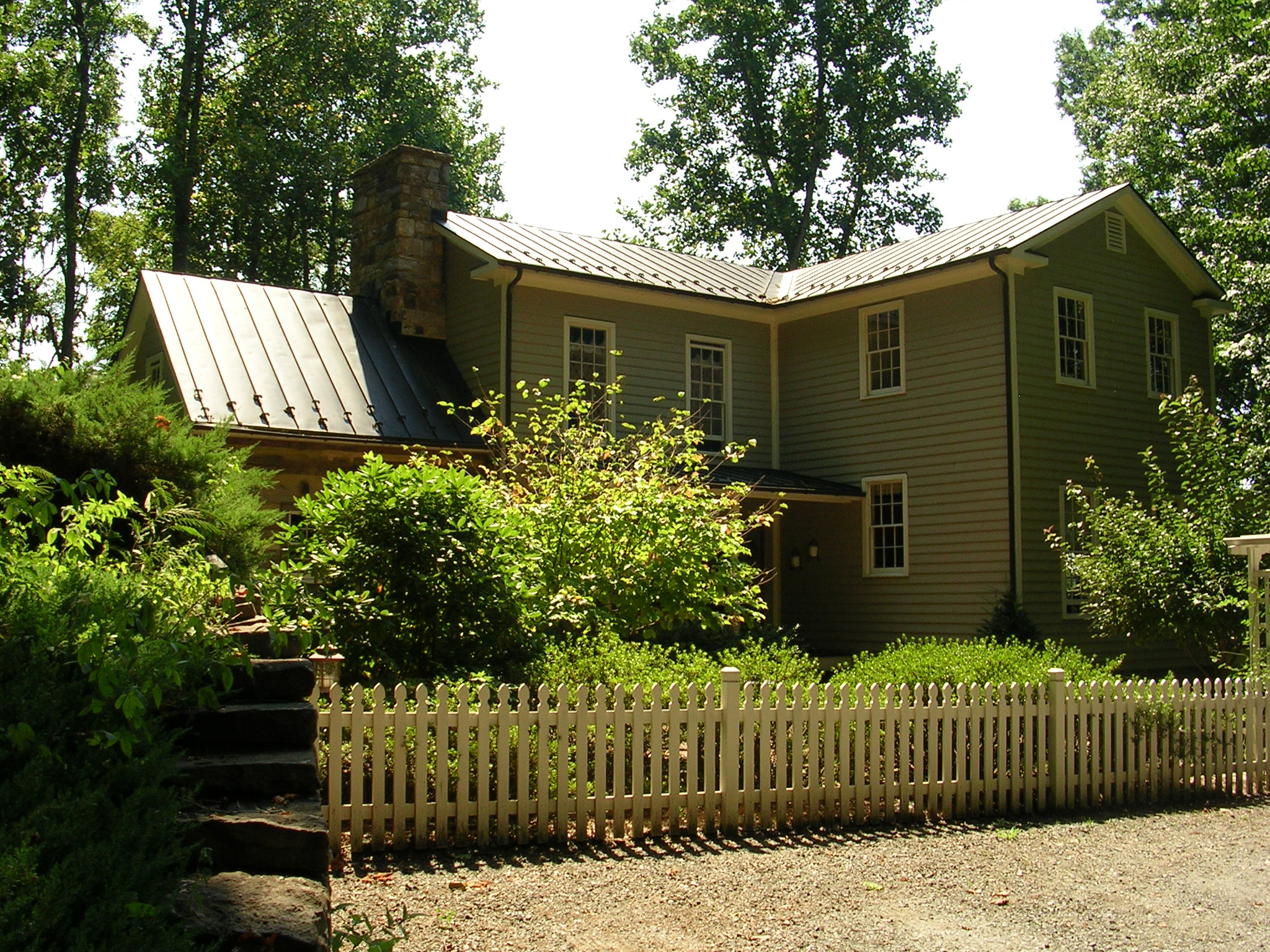
This precious little porch on the front of this log cabin only measures eight feet by sixteen feet but it is highly valued territory. The flooring and roof are all framed out of rough sawn oak that I purchased from a local sawmill. I have found that it holds up over time amazingly well, and it only becomes more attractive as it ages. (I wish that were true of men… lol) (my wife hasn’t aged a day since I met her)

I like porches that are supported by stone columns underneath, it allows the dog to have a cool space to retreat to in the summer (and provides a place to stash the lawnmower if you can get away with it). The porch posts are all small locust trees that we gathered from the property (the only thing that will outlast these locust poles is a rock).

This charming porch just invites people to come and sit for a while, to take in the fresh air, perhaps share a few words, or just sit in quiet meditation.

Next up… the chimney.

Originally posted 2015-02-18 17:14:50.

Part Five of… Building a rustic cabin2019-06-29T11:11:30+00:00

Part Four of… Building a rustic cabin

00000425000003930000042300000421

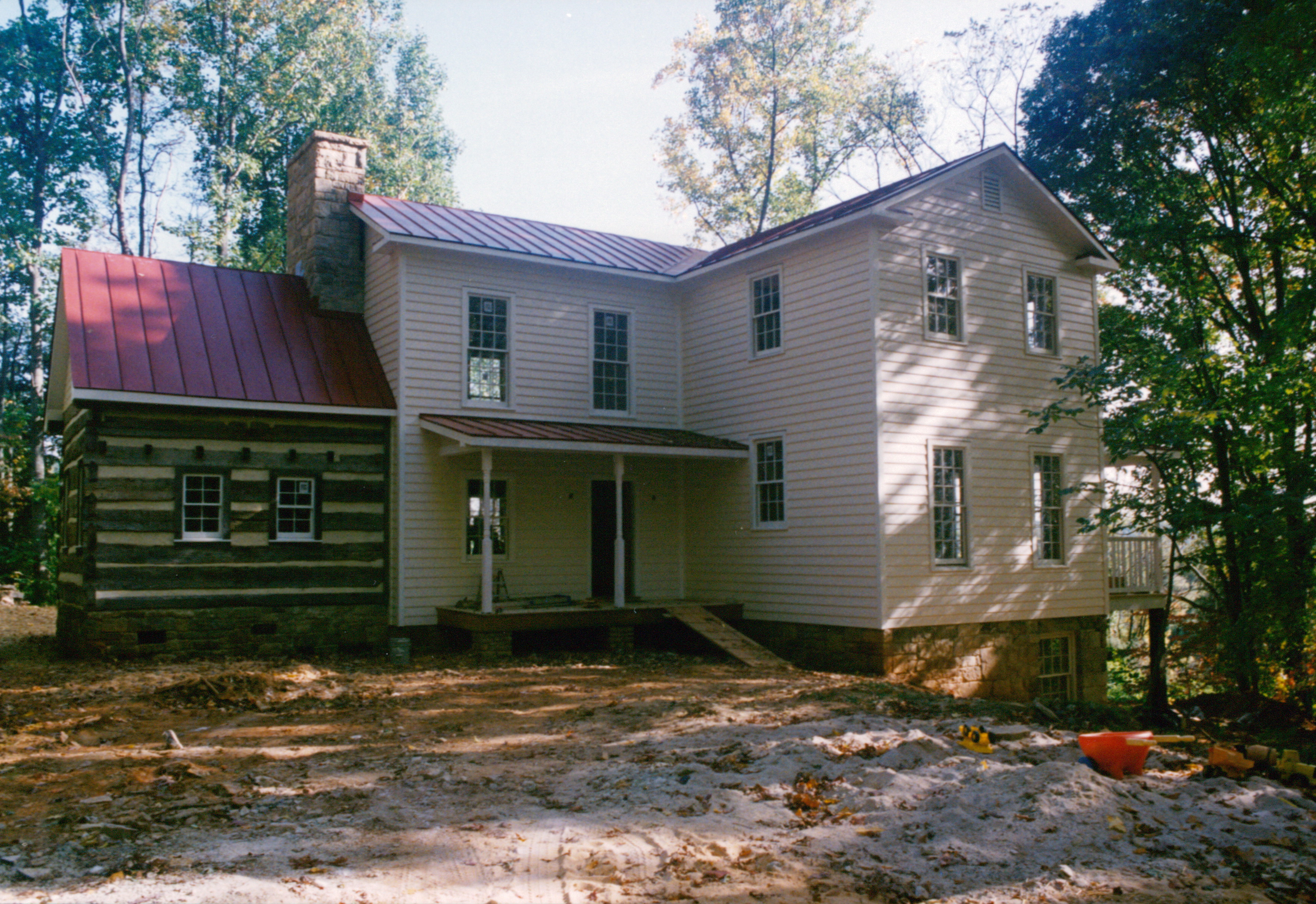
Normally on a small log cabin like this I would put an addition off of the back of the structure to provide a small kitchen and bath. An addition off of the back would have had a simple, inexpensive, lean-to roof on it. Lean-to additions were very common and attractive features of many vintage cabins.

We didn’t have that option here on this steeply pitched site. Level land was a luxury and so the cabin profile had to be kept lean and long. It was a bit more challenging to do this, but I think it worked out well.

There is no bath in this retreat cabin (privy photo coming soon!) but we did make one very nice primitive kitchen. A nearby bountiful spring provides all the water needed for drinking, cooking, and washing.

This kitchen addition is stick-built using new lumber and is sided over with cedar and topped off with a copper roof. Inside we used old flooring, painted wood walls, and old beams to frame out the roof trusses.

Next up… the front porch.

Originally posted 2015-02-18 16:19:31.

Part Four of… Building a rustic cabin2019-06-29T11:11:29+00:00

Part Three of… Building a rustic cabin

00000374000003560000037000000364

So, now it’s time to set the logs.

It’s the fun time of the project. Everybody is happy. Smiles all around.

Many years ago now, I had my first opportunity to re-build a vintage cabin. When we finished that log home I realized that I was hooked, that I had found my calling, and that I had to do it again, and again, and again. Be forewarned, it is a gateway addiction… I got hooked on log cabins and before I knew it I was on to timber-frames, stonework, silos, and barns!

This rustic retreat was probably about my twentieth log cabin. And, one of my favorites. Don’t get me wrong I’ve loved them all, but there is something special about the small cabins, everyone feels it, everyone knows that they could take on project like this one. It does not overwhelm. It fits, like an old shoe or a favorite jacket.

There is something magical about the laying of the first log. It has begun. But, that precious moment doesn’t last long, after all, a log cabin is soon to be revealed. The compulsion to grab the next log and set it in place is strong. We move on. This is likely the only “first log” photo I ever managed to take over the years.

As the carpenters work on the cabin, the masons work on the foundation of the small kitchen addition, as seen in the next photo.

It’s always a juggling act to keep each team working on something without being in each others way. That’s Dan on the left in the photo, the finest stone mason I have ever met. Cancer took him a few years ago (I hate that disease). And then there are the two Ed’s… the one on the left has remained a lifelong friend, the other went on to become a doctor in the local ER and has pulled splinters out of two of my guys since. How ironic is that?

The next photo is of my young daughter inspecting the workmanship of the cabin and stonework. I tended to bring my children along with me often, particularly on weekends. While I enjoyed the time of solitude to carefully reflect… “am I making this cabin as good as I can?”. The children would look for treasures, or turtles (I guess they are the same thing to a child).

One of the greatest secrets I can reveal to someone about building an exceptional house is to make sure and walk out away from the project and take in the whole picture as the project proceeds. Don’t miss out on something important by focusing exclusively on the minute details.

The final photo is of the cabin logs, all in place, and the roof being framed. I’ve never been a fan of roof trusses… I know, they are “engineered” to bear the loads, but I prefer the meatiness of real lumber.

Notice also the seasonal view that we enjoyed through the trees. It’s not only what is built, but where it’s built.

Coming up next in Part 4… the kitchen addition

Originally posted 2015-02-17 15:56:52.

Part Three of… Building a rustic cabin2019-06-29T11:11:28+00:00

Part Two of… Building a rustic cabin

0000039000000354000003490000035500000397

The next step in building this cabin was the gathering of the stone and laying it.

This site was blessed with an abundance of “easy to get” native stone. Some stones were just a few feet away from where they would be laid by us, eager to be picked up. But the bulk of the stone came from nearby ancient “stone streams” found weaving their way through the property’s trees. These weren’t like the refined stone fences of northern Va and on up into New England, but rather were just informal lines of stones that were thrown to the edge of fields that no longer existed, by farmers, who have long since past away.

Even though the cabin was small we needed a lot of stone… there was of course the stone foundation which needed to be two feet thick in order to pass code. Then there was the massive stone chimney whose fireplace would later provide most of the cabin’s heat. There were the porch piers to hold up the porch and stone would be needed for the future outbuildings (including the privy).

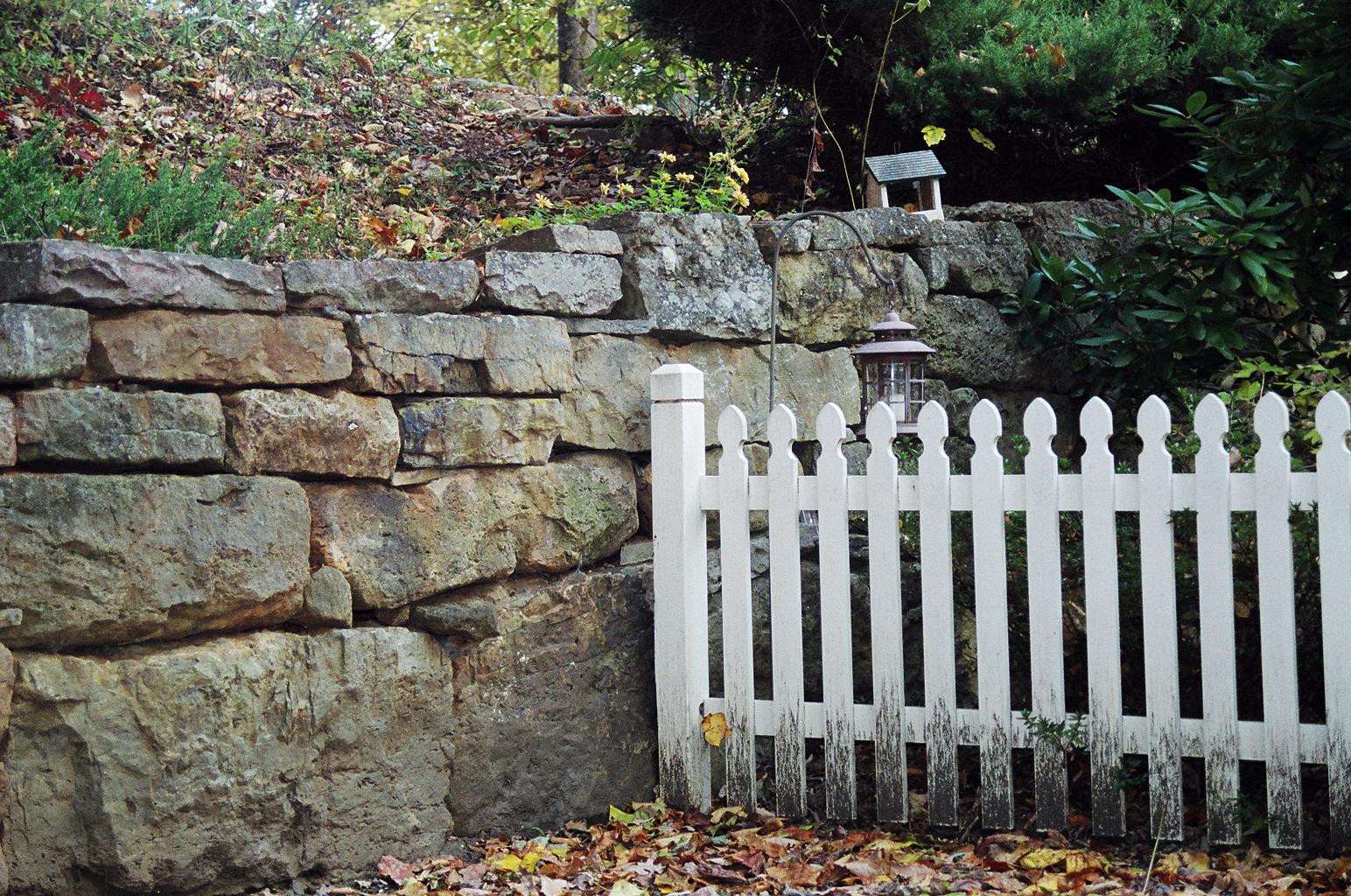
And, there were the three long retaining walls that we needed in order to create a level site for the cabin to rest on.

Originally posted 2015-02-16 22:47:57.

Part Two of… Building a rustic cabin2019-06-29T11:11:27+00:00

Part One… Building a rustic cabin

00000347000004430000045200000348

This little log cabin garnered a surprising amount of attention over the weekend. It seems that there are more than a few people that would love to have a special place like this for a retreat.

I thought I’d show everybody the process of building one of these, from beginning to end. I think you will find it entertaining, as well as educational.

As always, I thank you for letting me share.

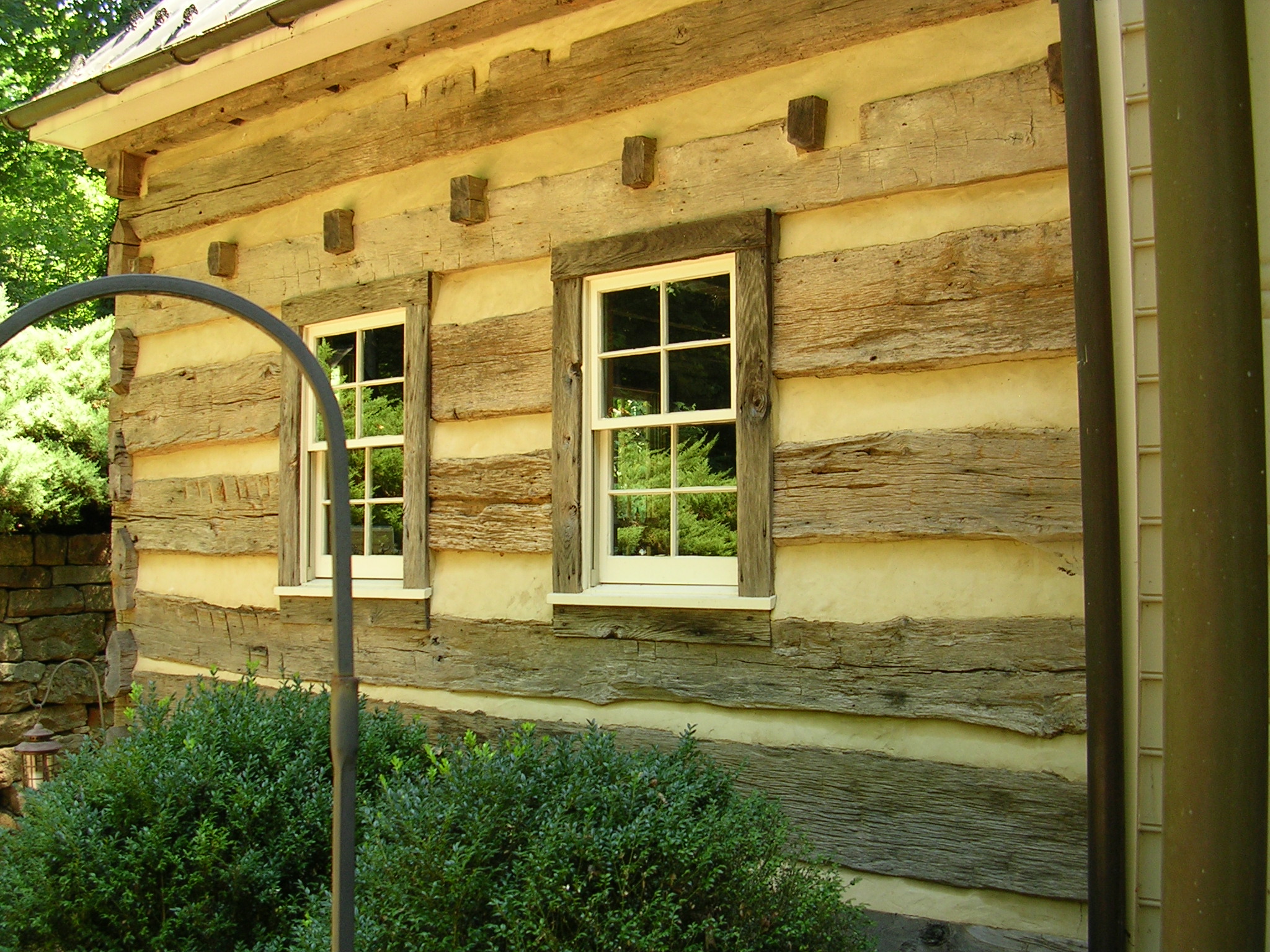
The first step in building a cabin is that we need to acquire the logs. There is little sense in designing a cabin until we have an inventory of logs. So the hunt begins. Travel the back roads, read the rural papers, contact salvage companies, even look on eBay. We want the best logs we can find.

This cabin’s logs came from an old barn who’s roofing had blown off, The barn was in the process of falling down which was creating dangerous conditions for people and cattle alike. So, it had to come down.

Better to be re-purposed than lost.

This barn was a “double-pen barn” which is two cabins built close together with a single roof spanning both structures. One of these log sections was used for our cabin project here, and the other went to another project that I built at the same time (it was a log cabin addition off of an old farmhouse).

The logs were oak, my favorite cabin material. Heavy, solid, beautiful, and naturally resistant to rot and insects.

Now taking down a cabin in this bad of a condition is a scary, dirty, dangerous business. We chose to use a logger friend of ours who has the skills with a lift that a doctor has with his hands. The site appeared to be a disaster when he finished but not a scratch could be found on a single log and it was much safer for us to go in and extract the logs without the danger of collapse. He was proud of what he accomplished. And, I was thankful.

The final photo shown here is of the logs carefully stacked at the site.

Logs that come from barns are different than those from a log house. On the positive side they tend to be more massive in size and thickness, their hewing marks are more pronounced and pleasing to the eye, and they don’t have any damage from the finishing details of a home such as plaster marks, or electrical wire holes.

Another plus with barn logs is that barns have few openings cut into them, this allows us to pick and choose where windows and doors go. It’s a lot easier to add a window to a cabin, than erase one.

The only downside to a log barn vs. log house is the quality of the workmanship of the original builders… they didn’t care nearly as much if the joinery was well done, or if the building was level or plumb… so we often, as in this case, have to re-notch the corners.

You may ask “why would a man build his log home better than his barn?” I would think that the answer would likely be that his wife expected a higher level of finish than his cow. 🙂

See Part Two of this series in the Log Cabin section of this site…

Originally posted 2015-02-16 20:08:56.

Part One… Building a rustic cabin2019-06-29T11:11:26+00:00

The stone cottages of Gold Hill

goldhill

These are the stone cottages of Gold Hill in Shaftesbury, England a market town founded by King Alfred the Great in 880. The homes date from the mid-15th Century. They are built from local greenstone, a pale yellow sandstone that turns green when it is freshly exposed to the air. The floors are supported on oak beams and the roofs are either slate or thatched.

Originally posted 2015-02-14 21:09:18.

The stone cottages of Gold Hill2019-06-29T11:11:24+00:00

Stone cottages of Arlington Row

bibury

These homes, built entirely from natural materials, are over 600 years old. William Morris called Bibury, “The most beautiful village in England”. The picturesque stone cottages of Arlington Row were built in 1380 originally as a monastic wool store but later converted into a row of cottages for weavers in the 17th century.

Originally posted 2015-02-14 21:04:17.

Stone cottages of Arlington Row2019-06-29T11:11:23+00:00

Architectural attitude

1-1276250040fO7C

Why is it that so often architects irritate builders?

No, it’s not the fact that they often charge clients much more than the builder does, but yet do much less. It’s not that they have soft hands, wear penny loafers, and drive Jaguars to muddy construction sites. And it’s not the fact that most would not know which end of a hammer to hold. Nor is it their drawings that are often riddled with errors, or that their creations are often downright odd in appearance.

It’s their attitude toward builders and the world in general. Here’s some quotes of an interview done with a young architect in our local magazine this month that I think illustrates my point…

“I love the thrill of establishing authorship through a deliberate effort.”

“The pleasure of layering an attitude of beauty and craft over the utility of a purely functional idea has never left me.”

“Architecture is a broad field, with the historical trajectory as long as human history. Thus, in most cases, studying and practicing architecture is the work of a generalist. This saved me from a meandering career path in which I did not want to commit to anything in particular for fear of setting aside everything else.”

“Questions can persist on, unanswered across projects, and even across a career. Answers are not so important. That’s a good thing and a fundamental lesson for life.”

“How tall is tall?”

“Intellectual generosity, which is a necessary percussor to true collaboration and growth. That and gorgeous proportions are what inspires me.”

“What is an appropriate contribution to existing fabric?”

“To this day, I believe the most beautiful object I have ever created was a 1969 bicycle I had modified to shoot bottle rockets from a carefully machined aperture in the steering column. The rockets were activated by discrete pushbuttons reached from the ends of tubular handlebars.”

That last quote is the one that stood out the most for me… now don’t get me wrong… that bike sounds mighty cool! But shouldn’t the most beautiful object that an architect has ever created be one of his houses????

Originally posted 2015-02-14 17:44:31.

Architectural attitude2019-06-29T11:11:22+00:00
Go to Top