29 06, 2019

The Free Union house… part 9

2019-06-29T10:54:52+00:00

00002080

So, let me share a few construction photos with you, of the cabin that we re-built in Free Union…

Let’s start with this one.

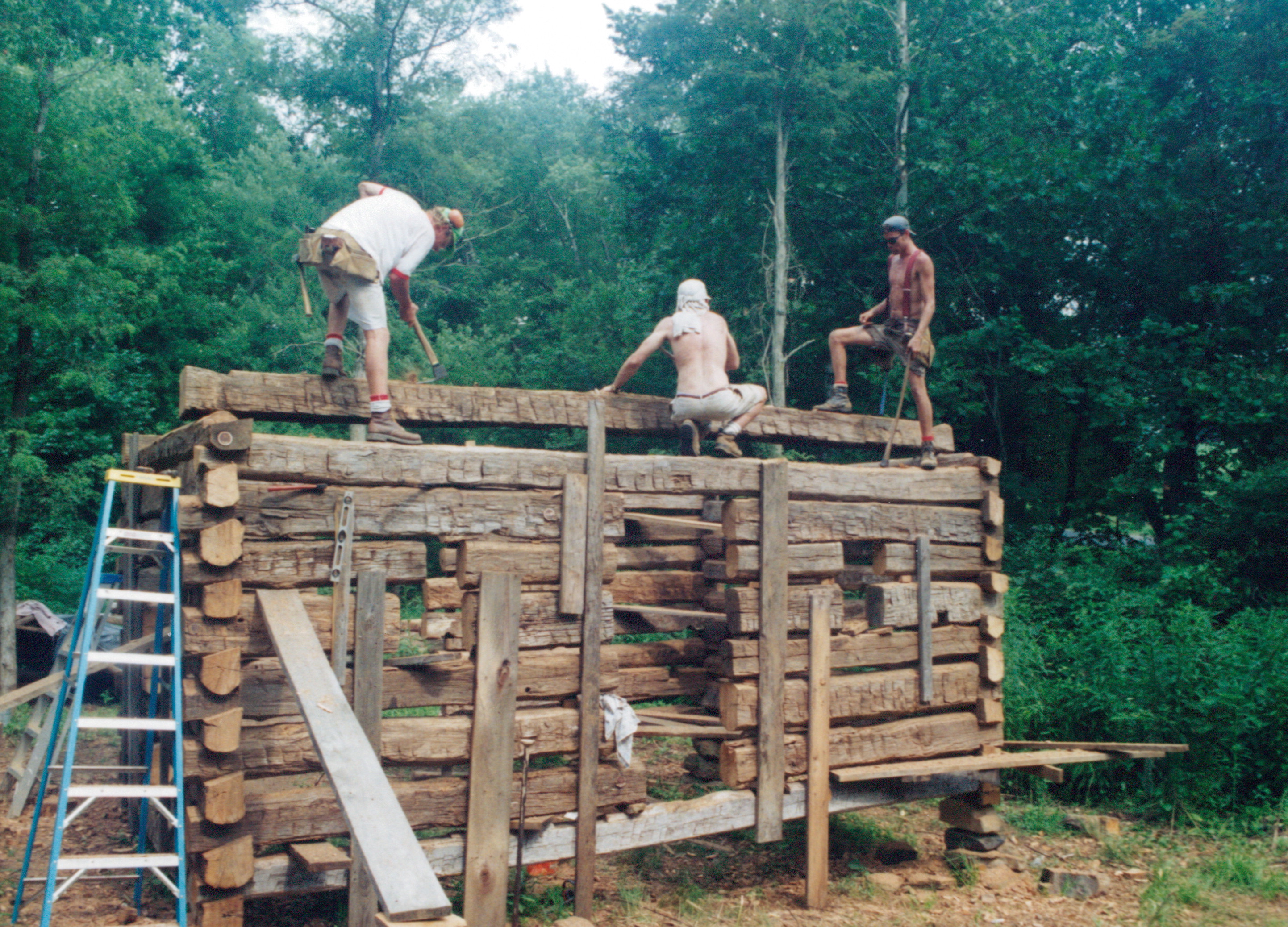
I really like this photo.

There is a lot to be appreciated and learned from a careful study of this (over-exposed) image.

Hey, I’m not a photographer. And, as you can probably tell by now, I struggle with writing a single error-free sentence… but I do know how to build, so hang in there with me. lol

*** maybe, let me pause here and say thank you, to each and everyone, for allowing me to ramble on about my life’s work. Bless you. ๐Ÿ™‚

Now, do you see the little white squares near the end of each log? That’s where we number each log before we take down a cabin. We then create a diagram of the cabin indicating where each log goes. By doing this we find that re-building a log home is just a matter of “following the directions”.

I know.. all men struggle with reading the directions… but when they get to play with logs (or Lego’s) it’s easier to do.

Also, notice the 2by4’s that are nailed vertically to the logs… we call them “stickers”. They temporarily hold the logs in place while we are putting the cabin up. Once the cabin is entirely re-erected then we do a final alignment of each log… “by eye”… and then we carefully set in place “jambs” to secure the cabin permanently.

But the main thing I want to point out… the “take away” from this photo… is the perfection of log size seen here. If these logs were any larger they would become the focus of your attention, not the cabin as a whole. And, if they were any smaller, the cabin would be too visually “busy”… like looking at home made of matchsticks.

These logs are… perfect.

Originally posted 2015-04-19 16:08:17.

The Free Union house… part 92019-06-29T10:54:52+00:00
29 06, 2019

The Free Union house… part 8

2019-06-29T10:54:51+00:00

00002074

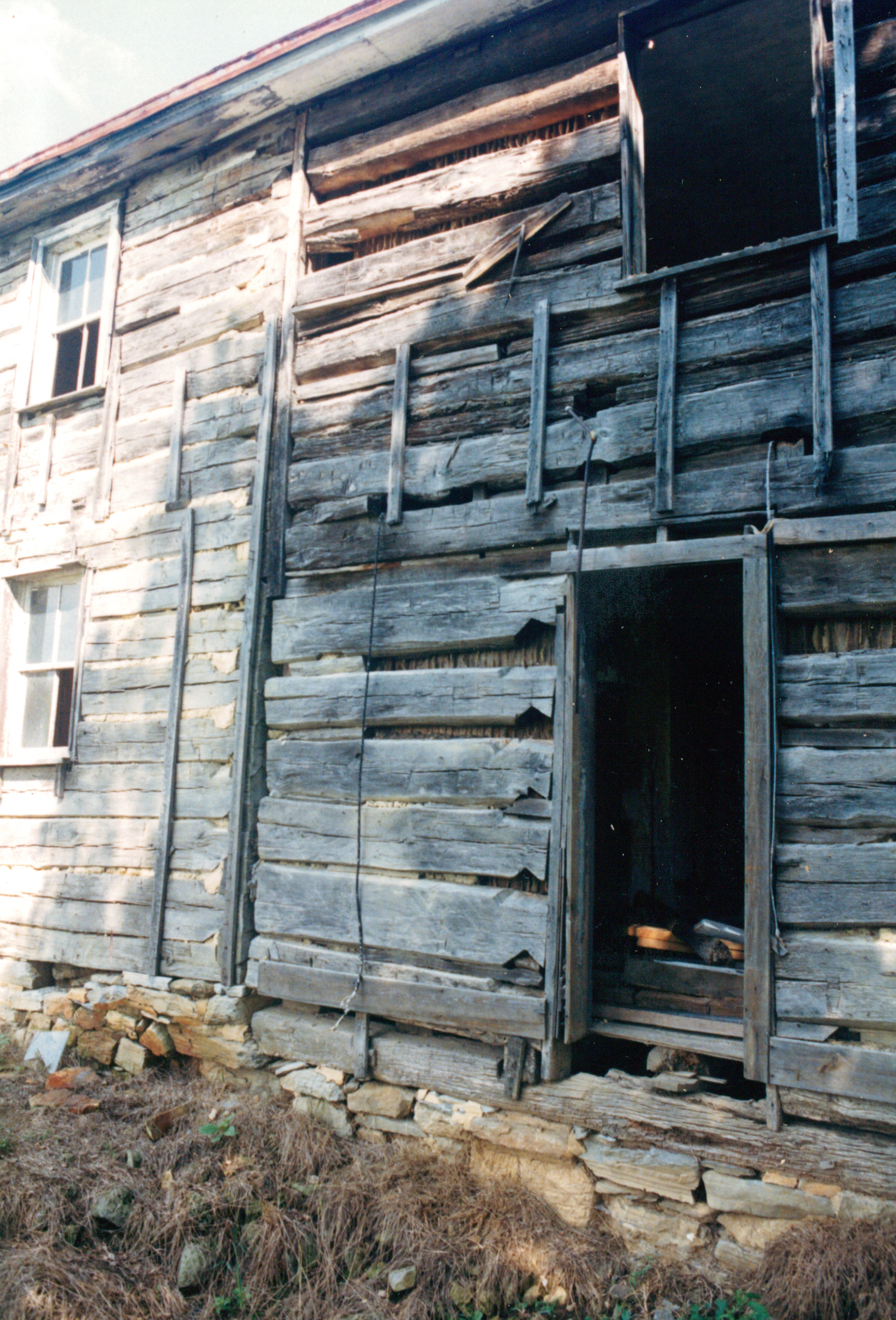
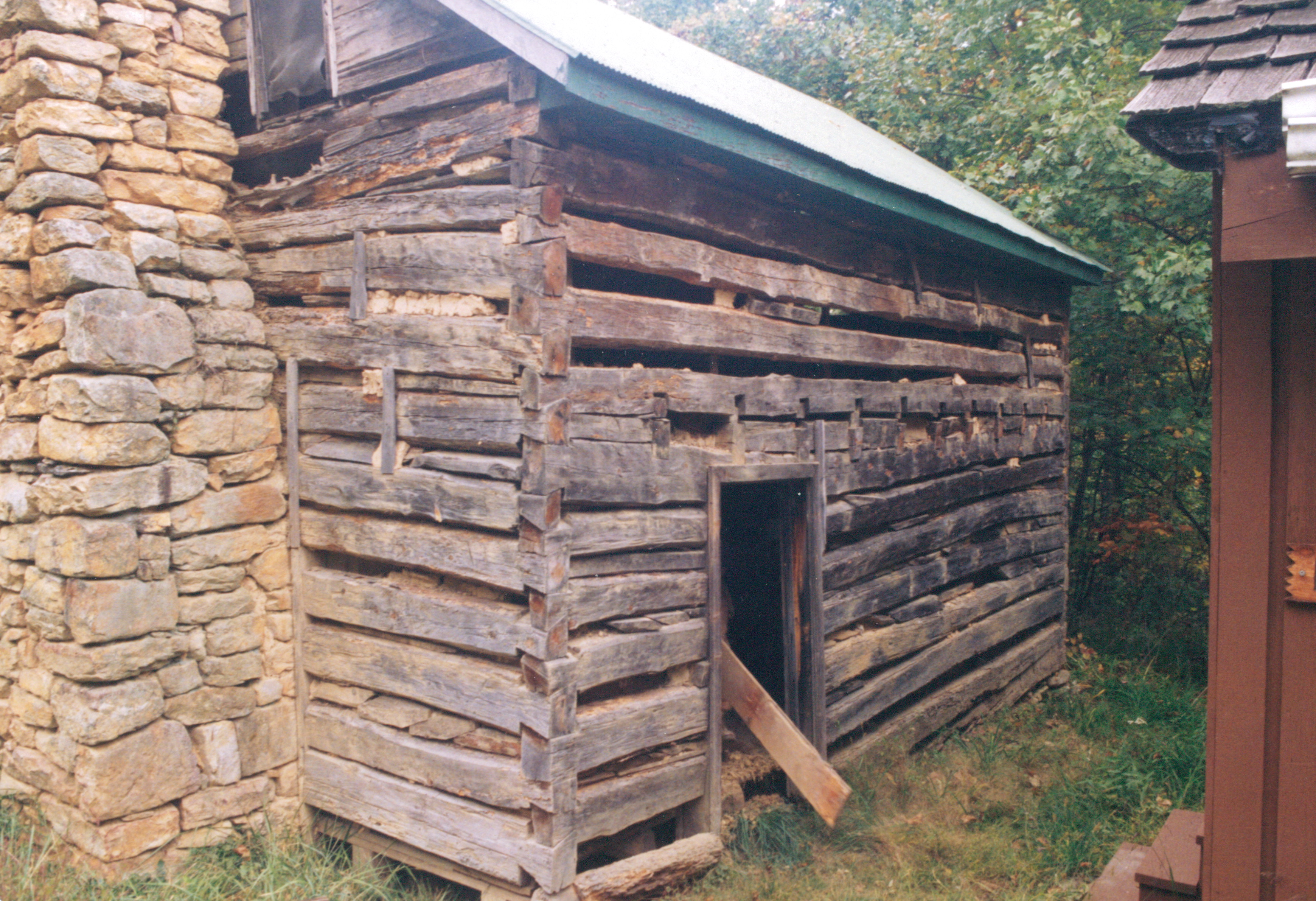
It’s not a bad looking “back of the house”. I’d be happy if most new homes looked this good on the front. lol

But yikes!

What’s up with that second floor door?

This cabin originally had a crudely built addition off of the back of it and these doors lead into that space. Here, on the cabin’s new site, there would be no addition built out back of it.

One option that we had was that we could “erase” this opening, or convert it to a window, by adding a few replacement logs. But finding exact matches for these fresh brown heart-pine logs would have been nearly impossible… I could have done a good job at making the change hard to see, but not a perfect one.

The second floor of this cabin would now serve as the master bedroom of the house. I joked around that this door could serve as access to the family’s “unlimited storage space closet”… or that this could be the door to the “unwanted guest room”.

The decision was made to leave the door and that at some time in the future, when the budget improved, the family would add on a small two-story porch off of this backside of the cabin.

What would you have done about this door if this had been your cabin?

Originally posted 2015-04-19 14:02:59.

The Free Union house… part 82019-06-29T10:54:51+00:00
29 06, 2019

The Free Union house… part 6

2019-06-29T10:54:49+00:00

00002079

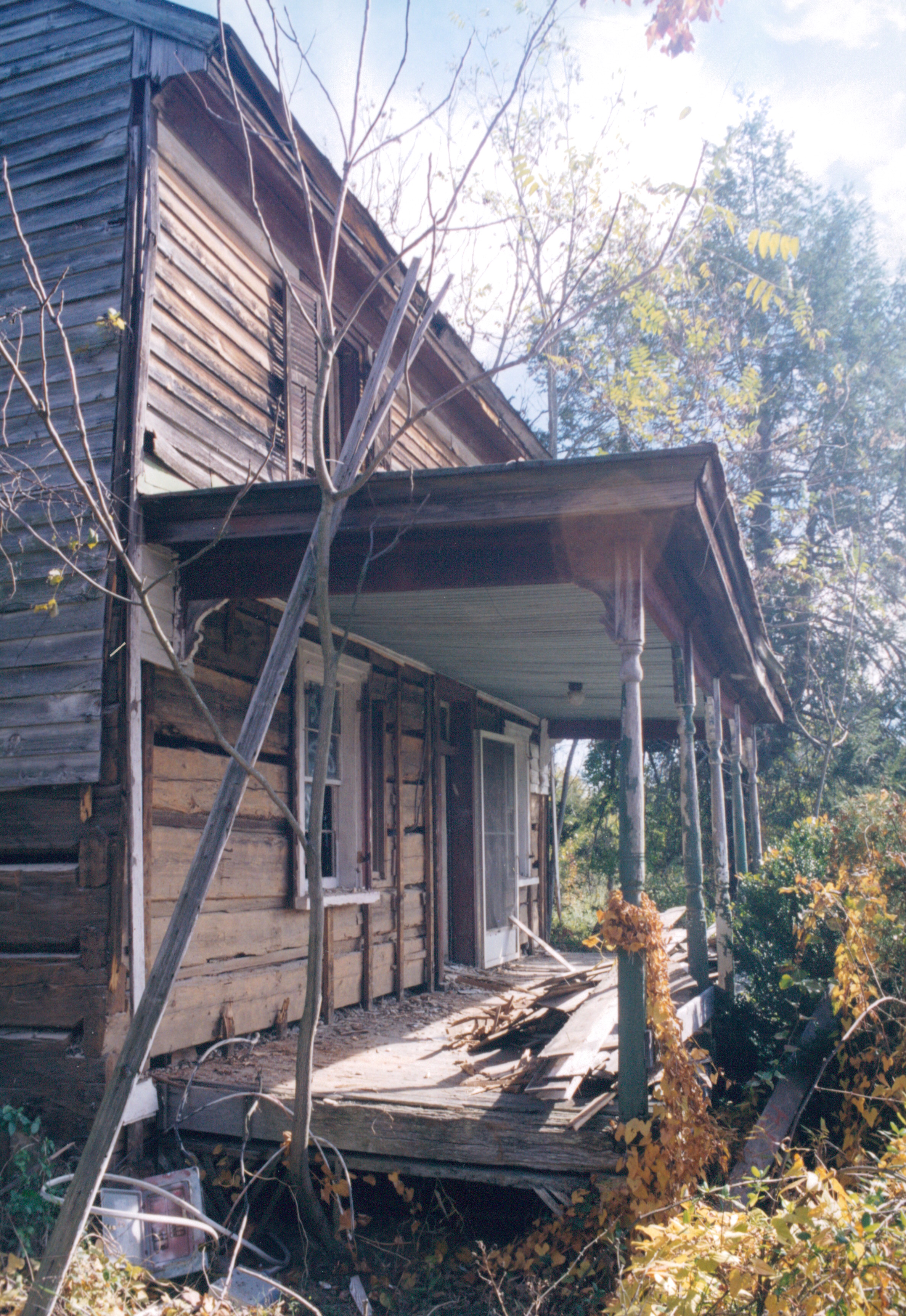
Here’s a photo of the cabin’s front porch.

In this image I’d like to point out… the cabin’s front door, the trim that was used for that door and the nearby windows, and also, the ceiling/roof of the porch.

All of the materials needed for us to make these items came from a crude framed addition that originally was attached to this cabin.

We don’t like to waste anything. And we find that antique wood adds a lot of charm to any structure… especially, an old log cabin. Don’t you agree?

(this porch is THE place to be when it rains… there is nothing like the sound of rain when it hits a metal roof)

Originally posted 2015-04-18 13:38:37.

The Free Union house… part 62019-06-29T10:54:49+00:00
29 06, 2019

The Free Union house… part 5

2019-06-29T10:54:48+00:00

00002075

I believe the feature that separates this cabin from all the other cabins that I have known over the years is her profile.

She is very tall, and very narrow, in appearance. If you imagine her with siding covering up the logs suddenly she is transformed into a Virginia farmhouse… I can hear the theme song of the Walton’s playing in my head.

The vast majority of log cabins are known for their low and squatty appearances… like a rock they are. This cabin though appears more delicate, more feminine perhaps, yes, this cabin is a she.

Originally posted 2015-04-18 13:18:48.

The Free Union house… part 52019-06-29T10:54:48+00:00
29 06, 2019

The Free Union house… part 4

2019-06-29T10:54:47+00:00

00002077

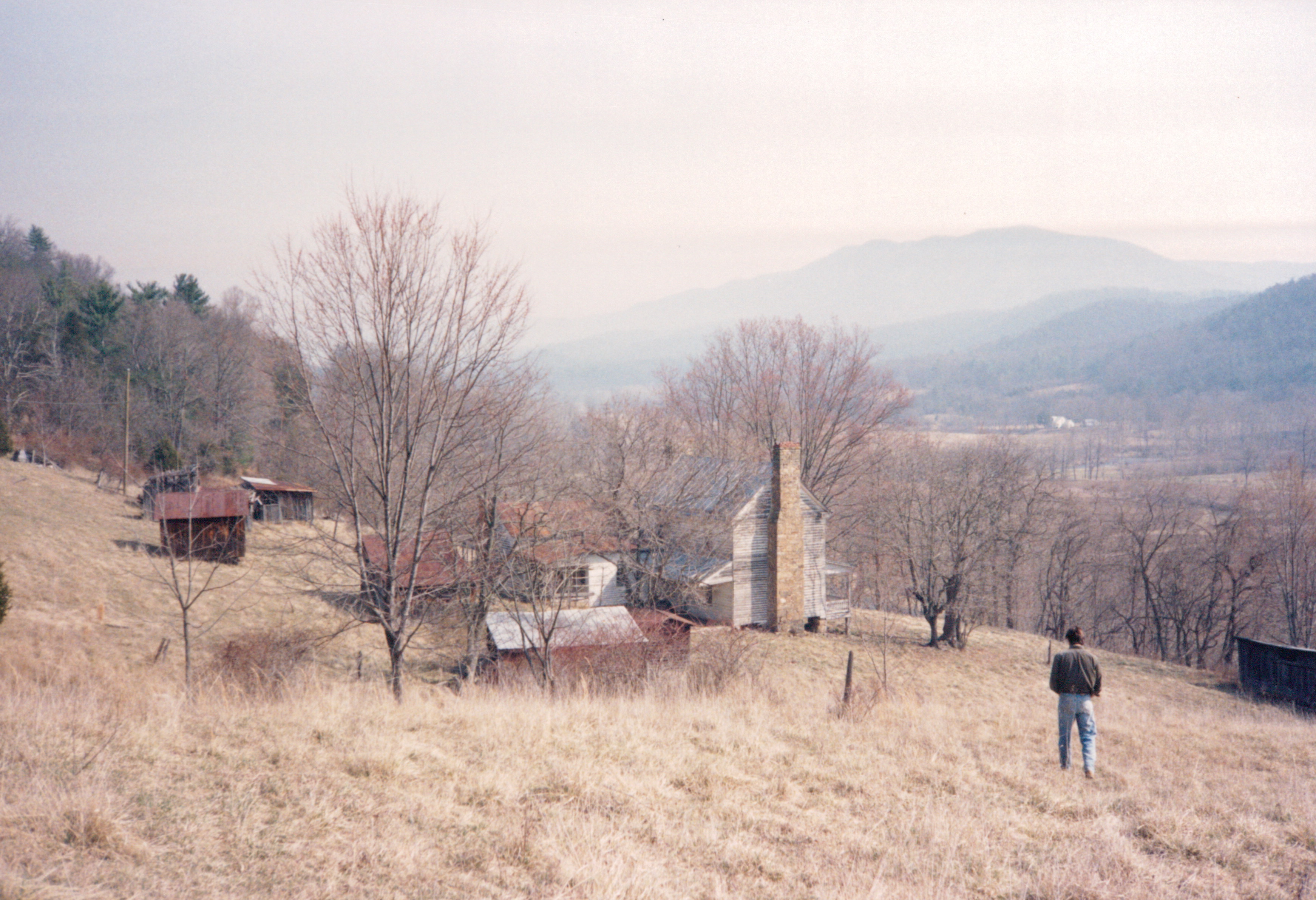
This cabin was found less than a mile away from where she stands today.

She was located in a thicket of woods and vines such that very few people knew of her existence.

The land she sate on was scheduled to be cleared for pasture… and the house would have been erased along with the rest. So, this is a rescued pup.

Originally posted 2015-04-18 12:59:46.

The Free Union house… part 42019-06-29T10:54:47+00:00
29 06, 2019

The Free Union house… part 3

2019-06-29T10:54:46+00:00

00002076

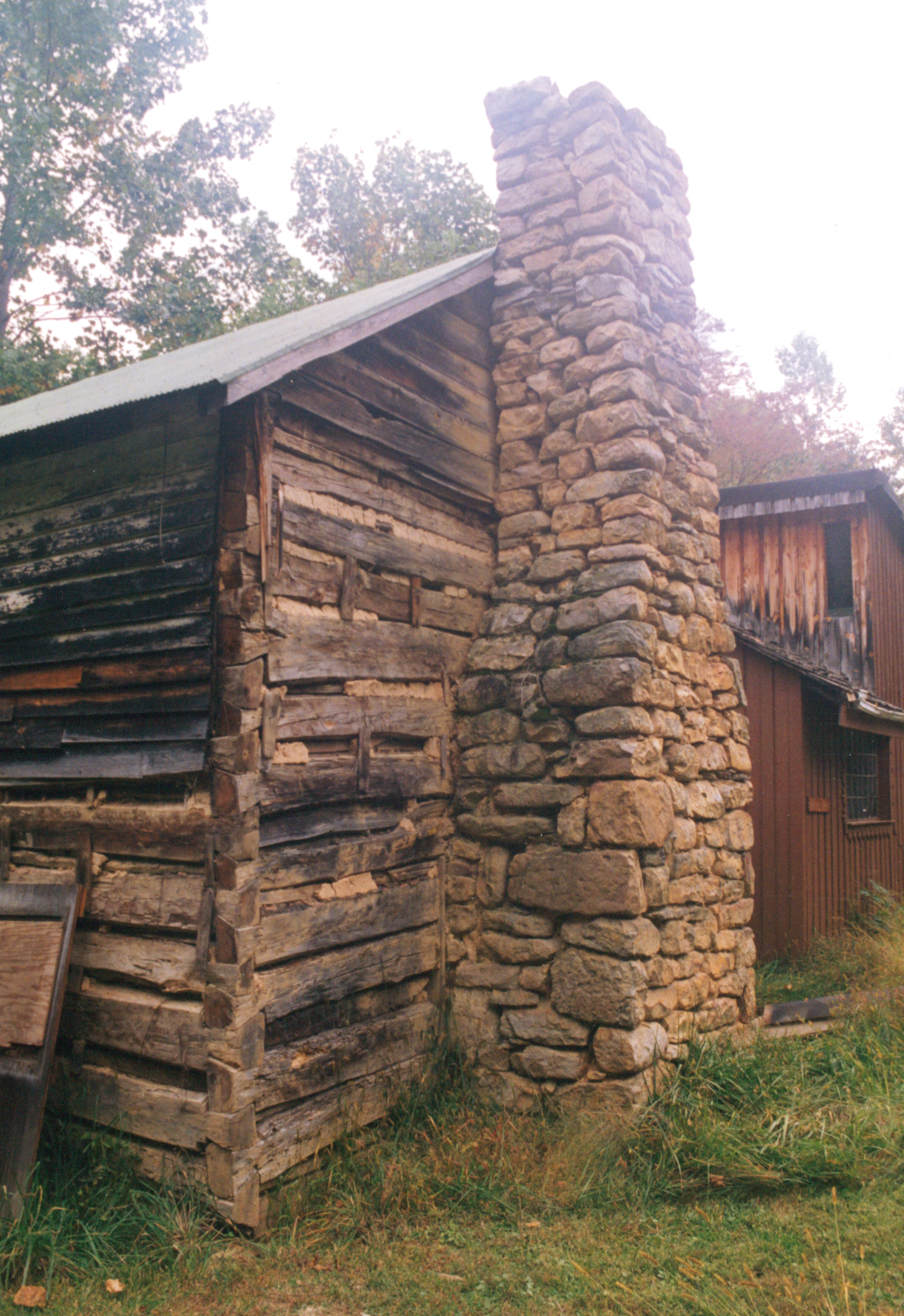
So, here is the log cabin that we moved and rebuilt as an addition to the little house in Albemarle.

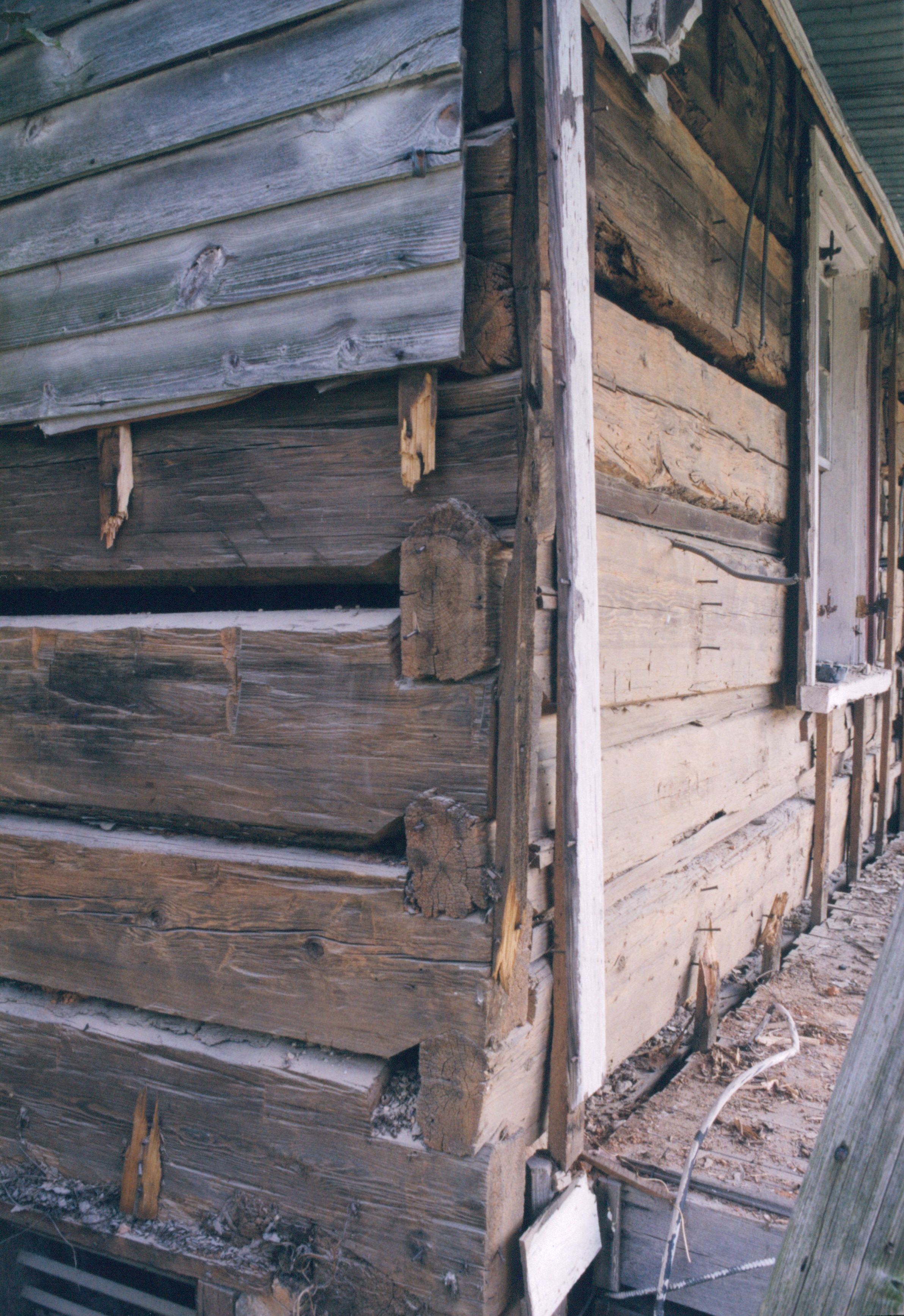
The first thing that really jumps out at me when I look at the photos of this cabin is how brown she was. The cabin’s logs are all heart-pine and when the cabin was built she was sided over quickly so the logs had never been exposed to the greying effects of the rain and the sun.

Originally posted 2015-04-17 14:10:54.

The Free Union house… part 32019-06-29T10:54:46+00:00
29 06, 2019

The World’s most famous chink joint

2019-06-29T10:54:36+00:00

00000057

Twenty-five years ago today I helped a precious family create a lasting legacy.

On that day, April 14,1990 each member of this family placed the palms of their hands into a fresh cement chink joint of the log cabin that I was then re-erecting for them.

Those hand-prints are still there today as perfect as they were the day they were made, and as they will likely be in the decades, and perhaps centuries, to come.

And, those hand-prints have been published in multiple magazines and books along with the rest of this beautiful log home. In fact this famous chink joint made the cover of one of those books… Hands-on Log Cabins by Cindy Thiede.

I remember that day clearly, it was a Saturday and I drove over to the cabin to accomplish this one mission. We had picked one of the widest chink joints in the home to ensure room for everyone’s hand.

Now the thing about chink joints is that the wider they are, the heavier they are, and the heavier they are, the more likely they are to fall off of the wall while still wet.

I have lost a few fresh chink joints over the years just by someone slamming a door shortly after the cement had been applied. ๐Ÿ™

I carefully applied this wide chink joint while the family of five watched on. We all know how much more challenging it is to do something when each move we make is under observation don’t we? ๐Ÿ˜‰

The family was clearly excited, I was inwardly stressed. After all, I didn’t know if this could be done.

The chinking went up perfectly.

I was very proud, and relieved.

I’m not certain which hand it was that brought that cement chinking crashing to the floor.

As I had feared, the act of pressing a hand into vertical cement was not perhaps the best thing to do, and the act of pulling the hand back out proved to be destructive.

I don’t remember how many times I applied that one chink joint that day… three or four times is my best guess. Maybe, it was more.

But it was SO worth it.

That moment was frozen in time not only that family but for me. Who else can claim that they remember what they were doing twenty-five years ago today?

And that chink joint… well… it still lives on today, and it still touches everyone’s heart that sees it.

Originally posted 2015-04-14 13:53:29.

The World’s most famous chink joint2019-06-29T10:54:36+00:00
Go to Top