29 06, 2019

Exploring old houses

2019-06-29T11:15:38+00:00

00002499

“Aren’t you afraid?”

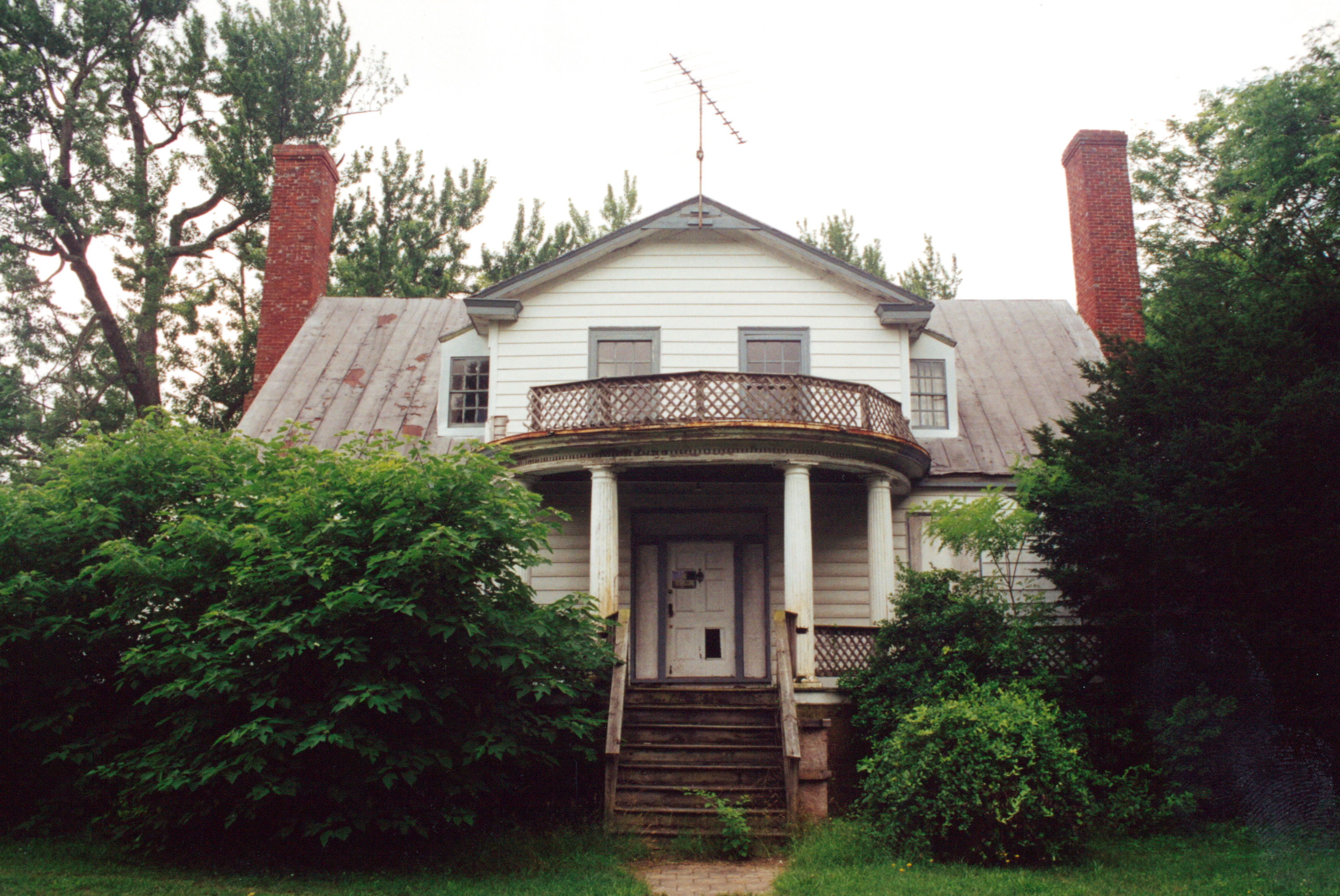
I’ve been in hundreds of old houses and various other farm buildings over the years.

In fact, I believe that the actual number may be well over a thousand.

I consider myself to be a blessed man to have seen and touched so many.

Most of these antique structures that I have visited were in various stages of disrepair.

Some, were near collapse.

Many had “bad spots” where a person could “disappear through the floor” if a wrong step was taken.

Some of these houses were rumored to have been occupied with ghosts. (I’ve never seen or heard a single one)

I’ve been in a few houses that had signs of human vagrant occupation… perhaps an old tattered sleeping bag rolled out in a corner with a few cans of food nearby. So sad.

Almost all of these abandoned structures had some form of wildlife living within, such as mice, rats, snakes, owls, raccoons, squirrels, feral cats, etc.

Some were so full of “stuff” from previous homeowners that were hoarders that I would have to crawl above it all with my back rubbing against the ceiling. Trust me, I’ve seen it all.

I’ve been asked to sign release documents before entering a home to free the owners from liability should I get injured or die in looking the house over. That’s always comforting.

It seems that I’ve always been warned of the dangers ahead.

And, I’m often asked… “aren’t you afraid?”

The truth is that I’ve never been injured in any way from looking at an old house. Old houses are my friends, and I’m always excited to meet a new one.

But, there is one thing that I am afraid of… baby buzzards. Nothing will increase my heart-rate faster, nothing will put goosebumps on me with greater intensity, than even the thought of an encounter with baby buzzards.

Buzzards will often nest in the attic of an old abandoned home… if they can find a way in, they will be there.

I use the term “nest” loosely. They don’t build an actual nest, they just lay their eggs on the floor in the middle of the attic.

If I arrive at an abandoned house and buzzards live there, the adults will quickly fly away before I enter the house… I am now aware that there might be young in the attic… I don’t know for sure… but it is ever present in the back of my mind.

If the young are there I will eventually find out at some point in my tour of the home. They make an other worldly noise that will freak me out, every time. Their warning call is sort of a combination between a ghostly moan and a big cat growl… and it is loud enough to be heard throughout the home.

In order to give a house a thorough inspection I have to see the attic. Trust me, it is mighty uncomfortable to stick my head up into the attic with sounds of Marley’s ghost moaning away up there. But attic flooring can be the most valuable material in the entire home, this is not an area to skip over.

Baby buzzards have got to be the only ugly babies in the world. They are in the same league as those creatures that pop out of eggs in the movie “Alien”.

And, it gets worse.

Baby buzzards have a defense weapon. (I guess that’s because mom and dad buzzard abandon them at the first sign of danger).

These infants can hurl their eaten breakfast accurately up to twenty feet away.

When you consider that their breakfast was previously their parent’s breakfast, which was regurgitated for their eating pleasure, which was originally some long dead animal alongside the road, you can only imagine how nasty this projectile is, and how much you want to avoid being hit by it.

So, yes, I am afraid when I enter an old home, just not for the reason most people would think of.

All other fears pale in comparison.
Exploring old houses2019-06-29T11:15:38+00:00
29 06, 2019

Just curious…

2019-06-29T11:15:33+00:00

00002523

I have two questions for you…

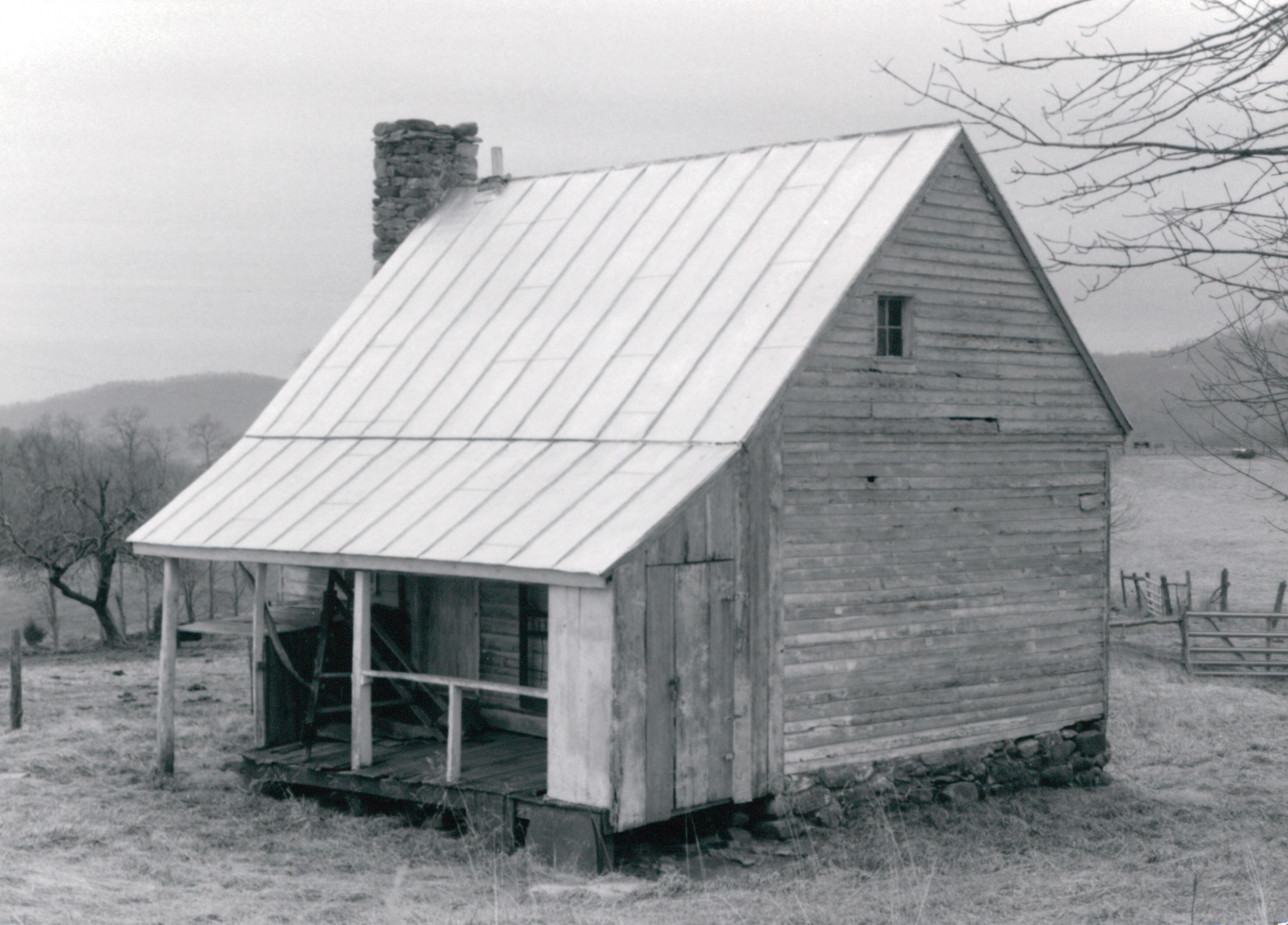
Why did they build an outside closet on this early 1800’s cabin? (it’s full of shelves)

And, why did they place the window where they did… off center?

I don’t know the answers… but I sure am curious.

Just curious…2019-06-29T11:15:33+00:00
29 06, 2019

The Shenandoah Mill… part 9

2019-06-29T11:15:27+00:00

00001169

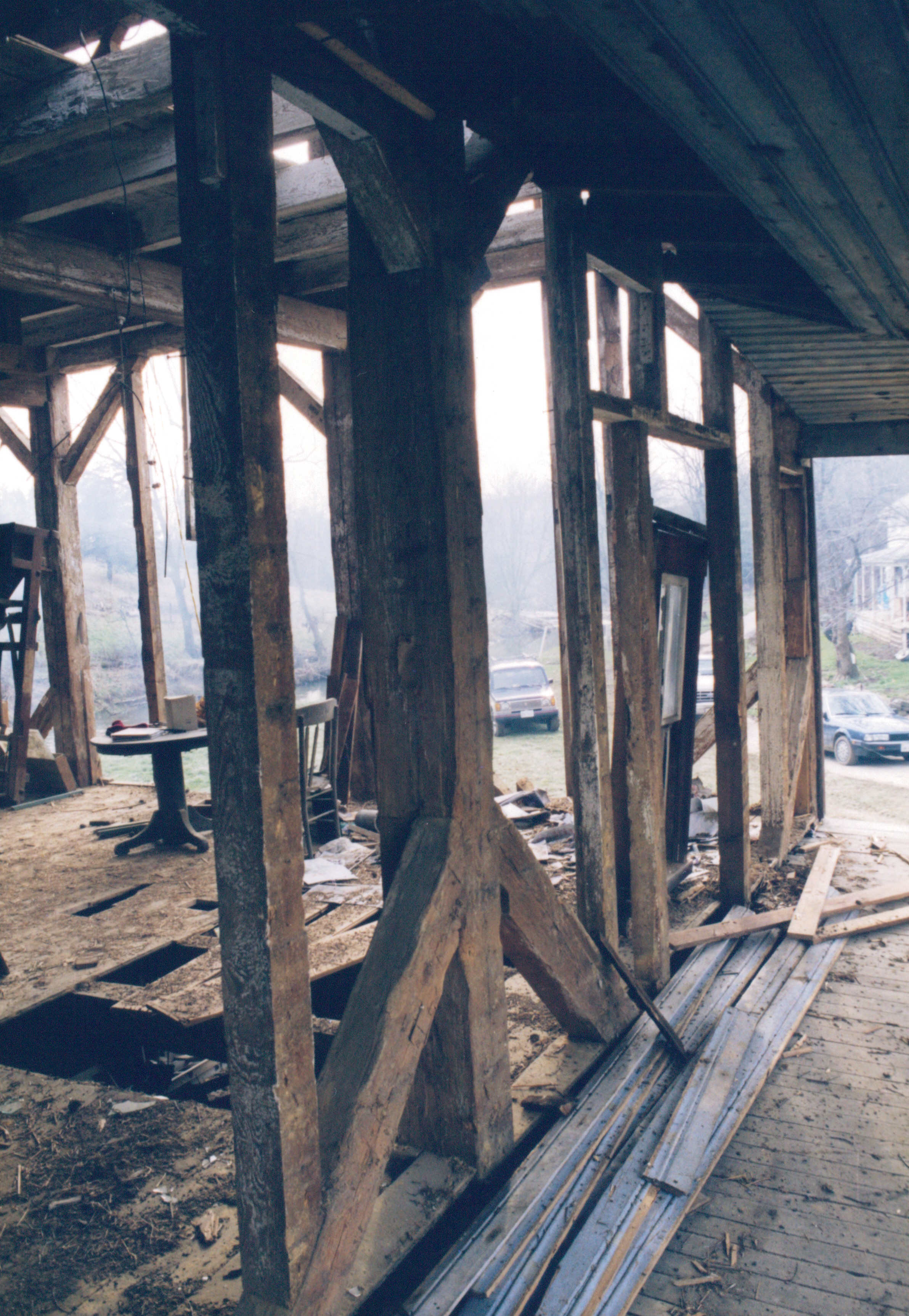
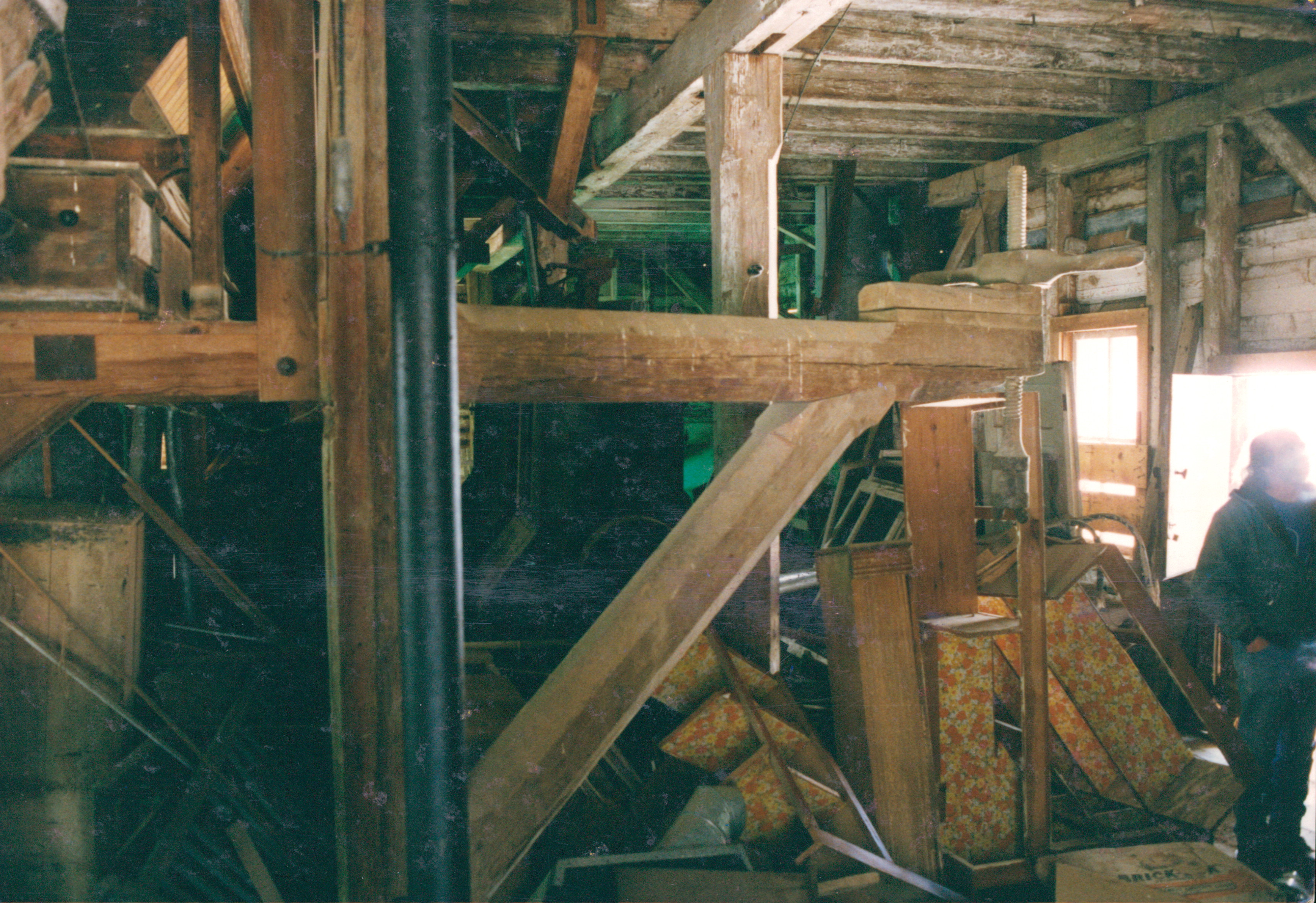
The posts in the Mill measured 12″ by 12″ with massive bracing found both top and bottom… they might as well have been trees.

I can’t imagine the load it would take to cause something like these to fail.

Valley pine was perhaps not the best choice of wood to use when building this frame. Although it had held up for nearly two centuries (far longer than it’s builders) it was showing some age. Powder post beetles were attacking the wood, which made the wood more porous, which in turn was inviting more moisture into the wood from the damp environment found next to a river. It was a matter of time before rot took hold.

By removing all of the wood attached to the timbers we were able to treat all surfaces with Boracare which would kill all the destructive insects, now if we could find a drier environment for the frame to be re-erected…

But all my ads, and all my calls, had failed to produce someone who wanted such a structure for their own.

I was baffled.

I had always managed in the past to find a home for a orphaned structure.

The Shenandoah Mill… part 92019-06-29T11:15:27+00:00
29 06, 2019

The Shenandoah Mill… part 8

2019-06-29T11:15:26+00:00

00001160

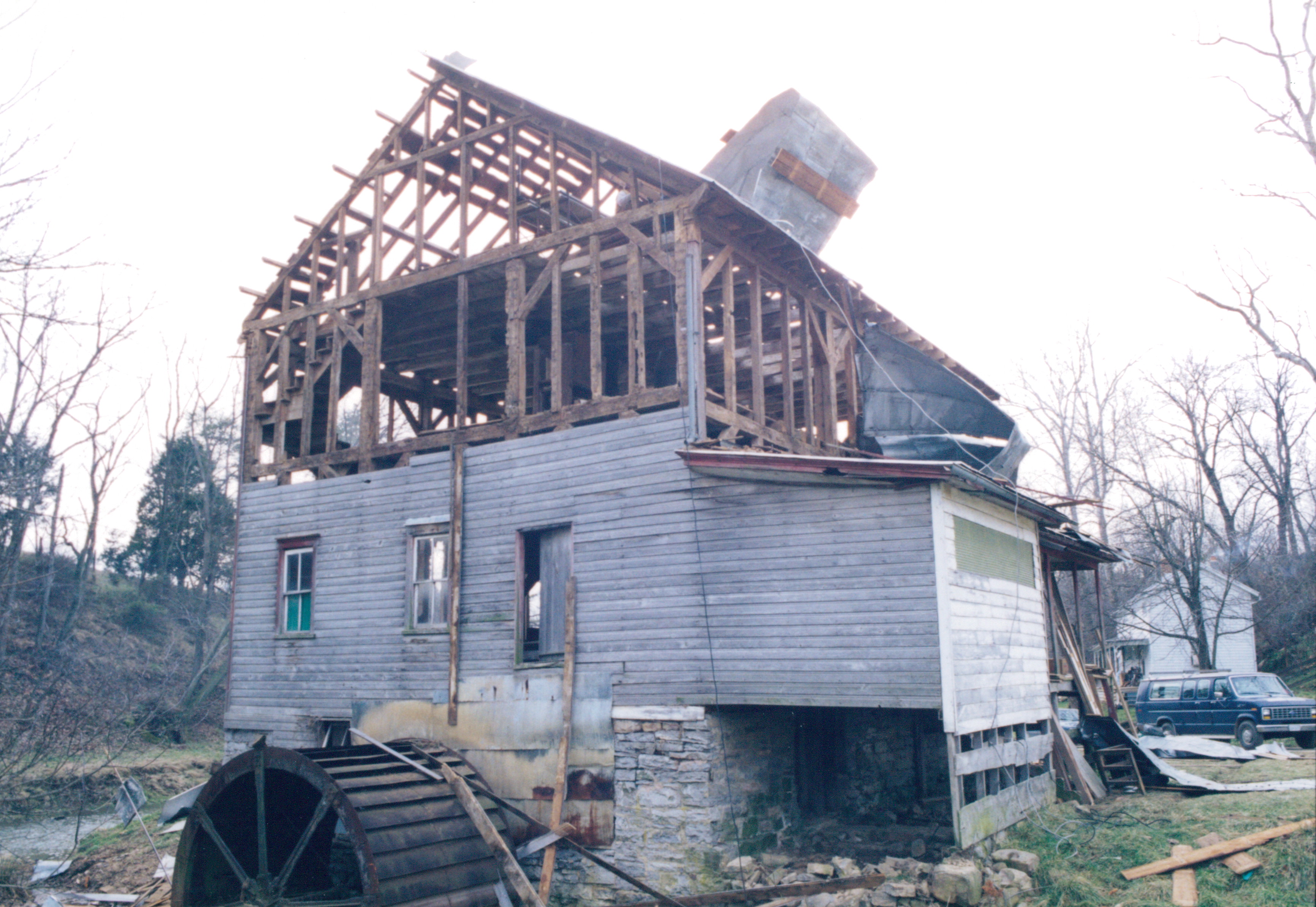
Salvage work is messy and dangerous.

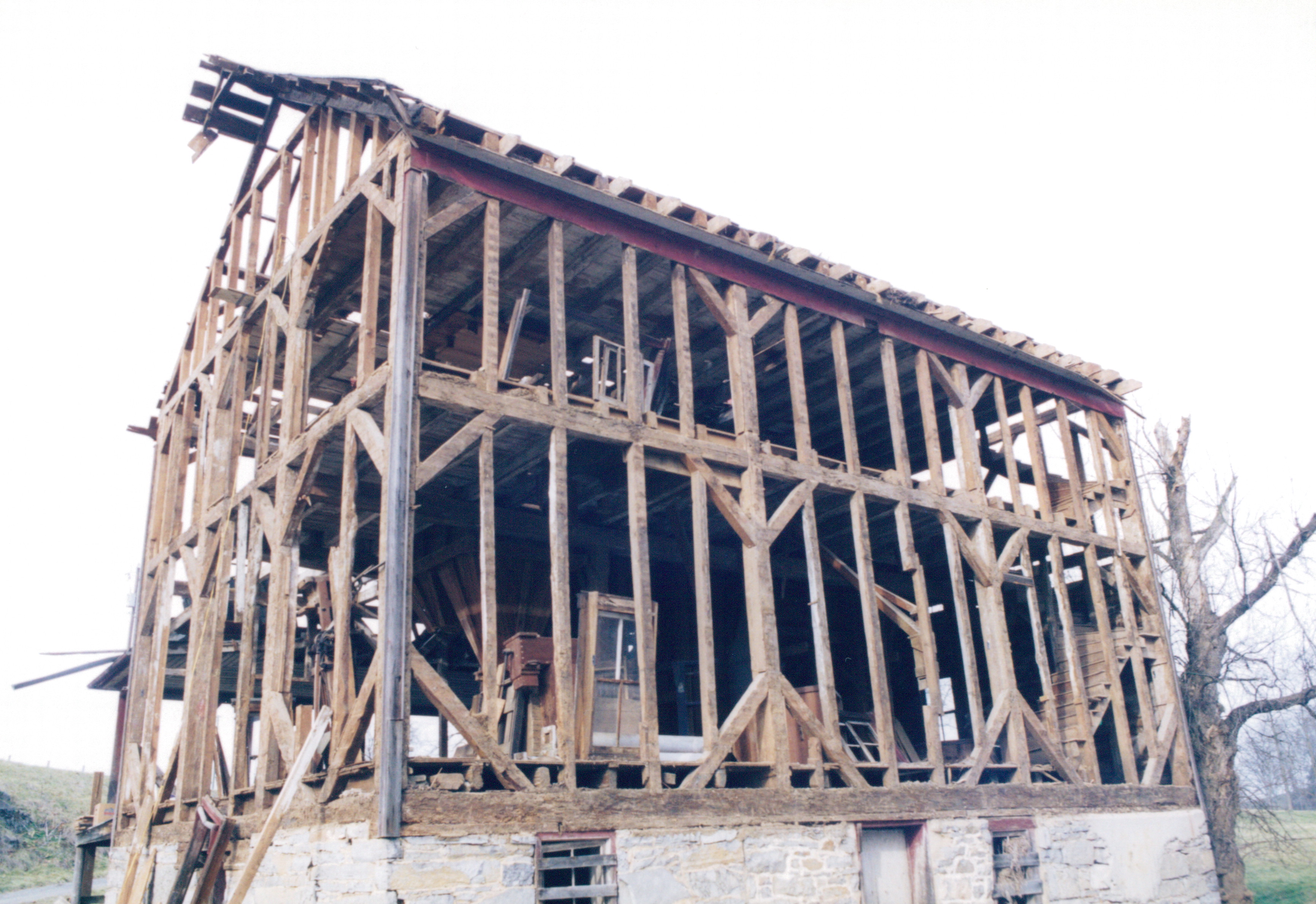
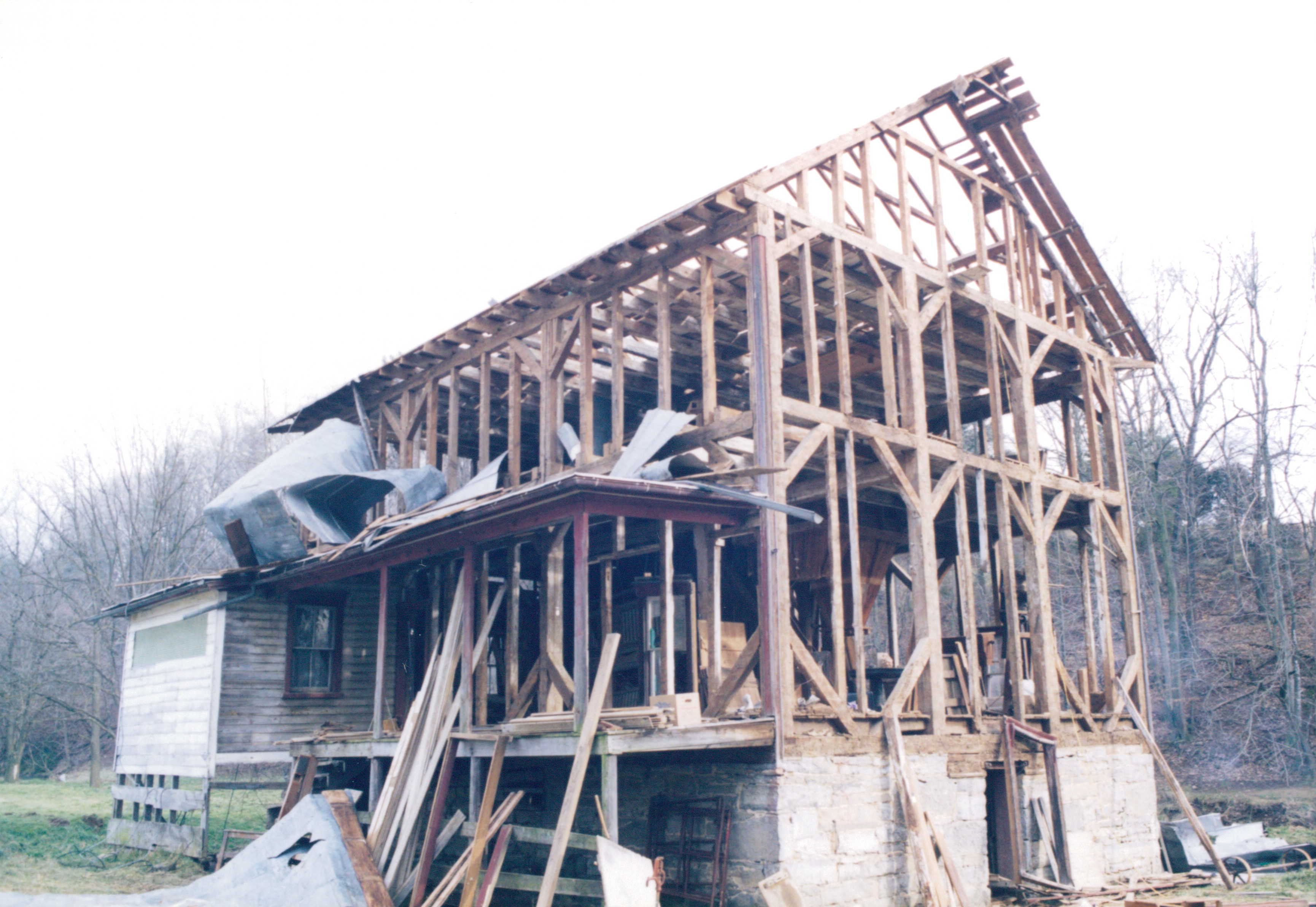
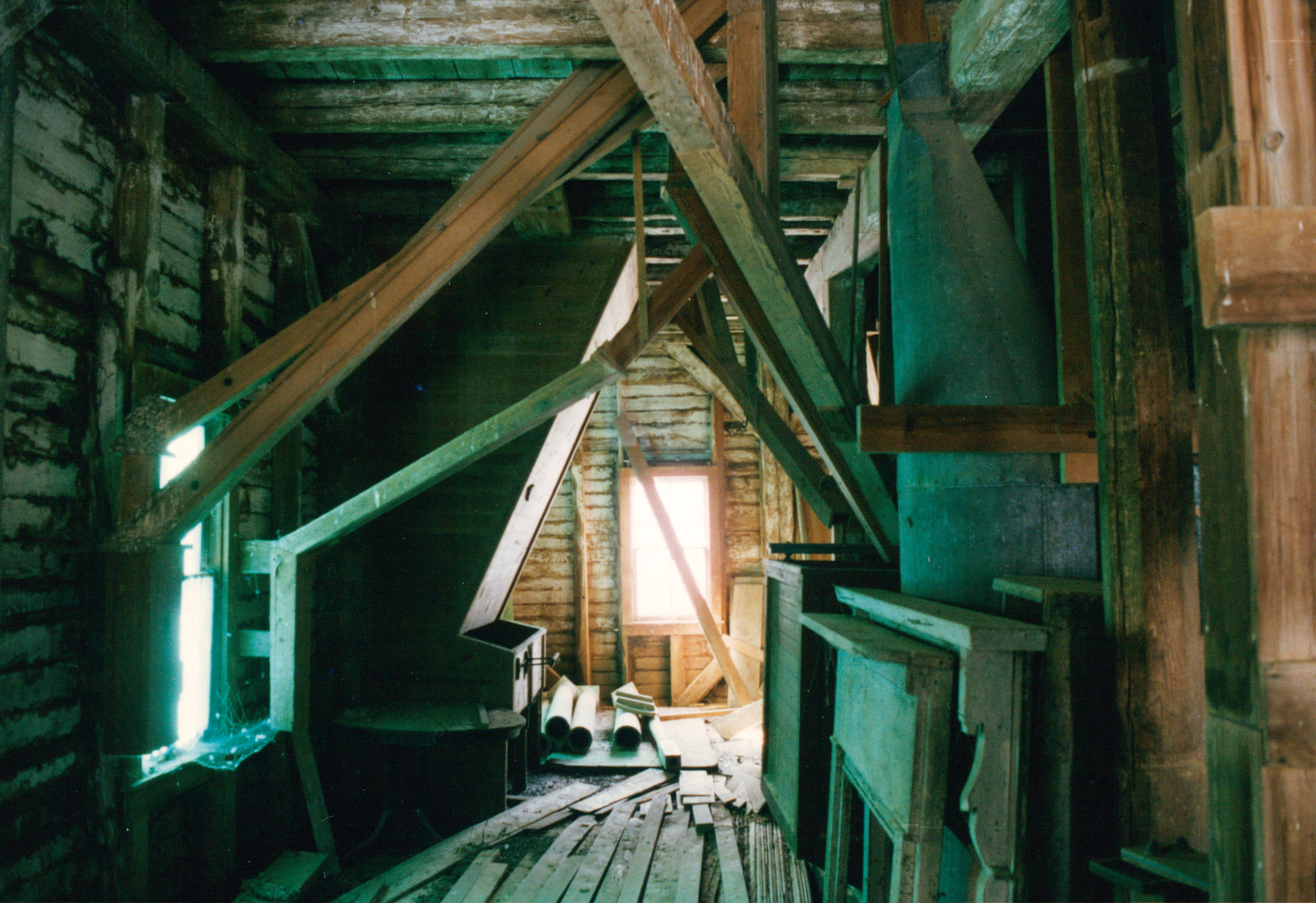
But out of all the chaos that comes with it, a timber-frame structure emerged, and it was like no other. This pine frame had posts and beams as large as any barn, but there were many more timbers here than found in any barn… she was more like a house frame… one that was on steroids.

And, look at all that bracing! Top and bottom bracing. She was as solid as a rock, even without her siding… after nearly 200 years.

A Mill has to be built strong, very strong… not only do they have to bear the weight of all that equipment and flour, but they need to hold together from all the vibrations associated with large wheels, gears, belts, and stones, all turning.

I wonder how long a structure built out of today’s glued wood-chip framing would hold up under similar strains? I doubt long, certainly not for centuries.

The Shenandoah Mill… part 82019-06-29T11:15:26+00:00
29 06, 2019

The Shenandoah Mill… part 7

2019-06-29T11:15:25+00:00

00001157

We loaded all of the materials and equipment that was in the Mill into a large tractor trailer and then started taking the Mill down.

We always start at the top and work our way down. It’s safer and more efficient that way.

At this point I’ve made countless calls trying to find a new home for this Mill and have placed ads in various publications… “Rare opportunity to adopt authentic early 1800’s Mill !”

The Shenandoah Mill… part 72019-06-29T11:15:25+00:00
29 06, 2019

The Shenandoah Mill… part 6

2019-06-29T11:15:24+00:00

00001146

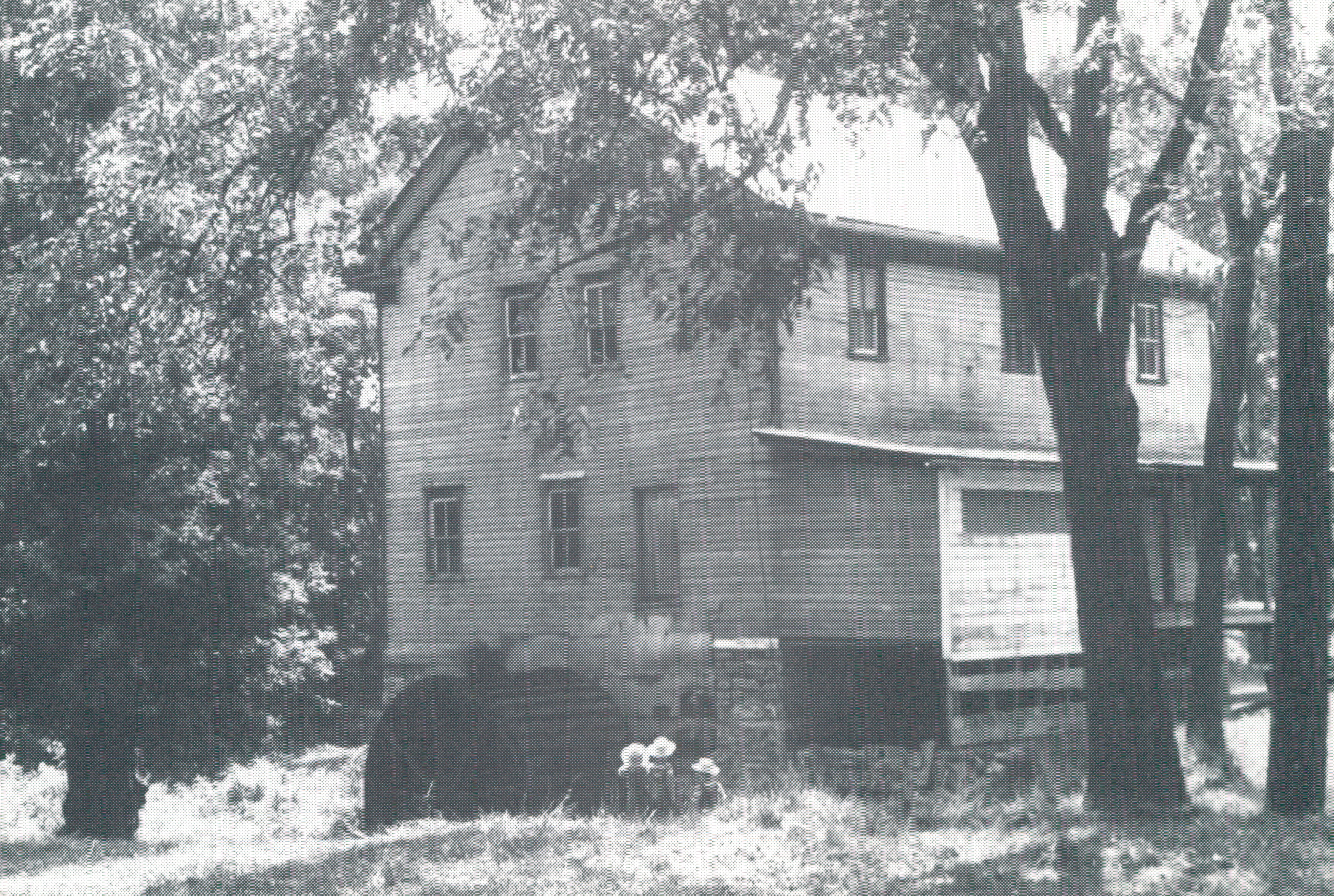
I like this old black and white photo that I was given of the Mill. The three small Mennonite boys seen near the water wheel, with their white hats on, are just so precious.

In an ideal world this Mill would have gone on being useful on this site forever. But, that was not to be.

The owner of this Mill had spent years contacting historical organizations, universities, and national and state parks about assistance with this structure. All of them offered him their opinions on what he should do with his non-existent time and financial resources, but none offered any of theirs.

So the time had come for either the fire department to practice their form of removal, or for me to do mine.

The Shenandoah Mill… part 62019-06-29T11:15:24+00:00
29 06, 2019

The Shenandoah Mill… part 5

2019-06-29T11:15:23+00:00

00001152

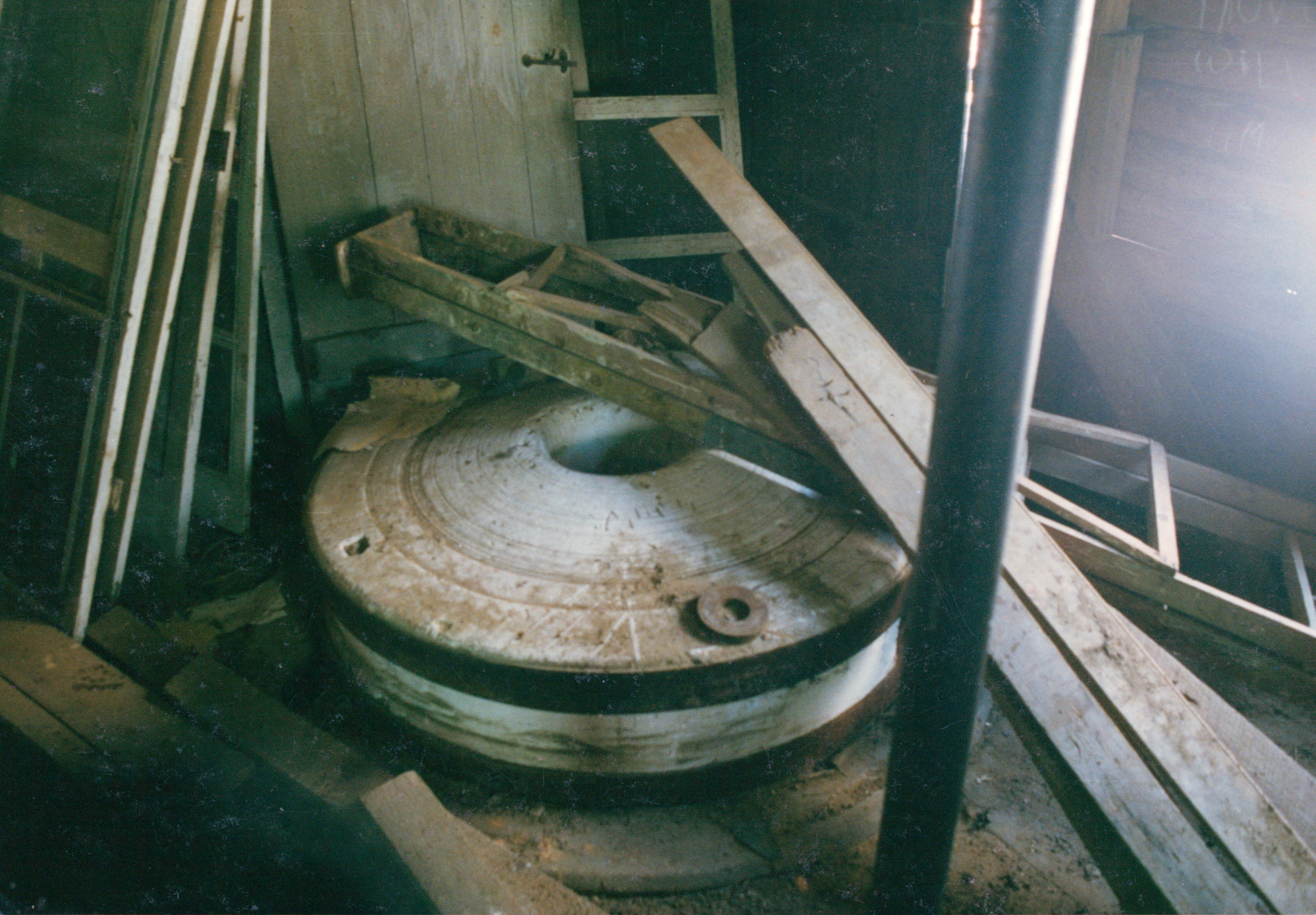
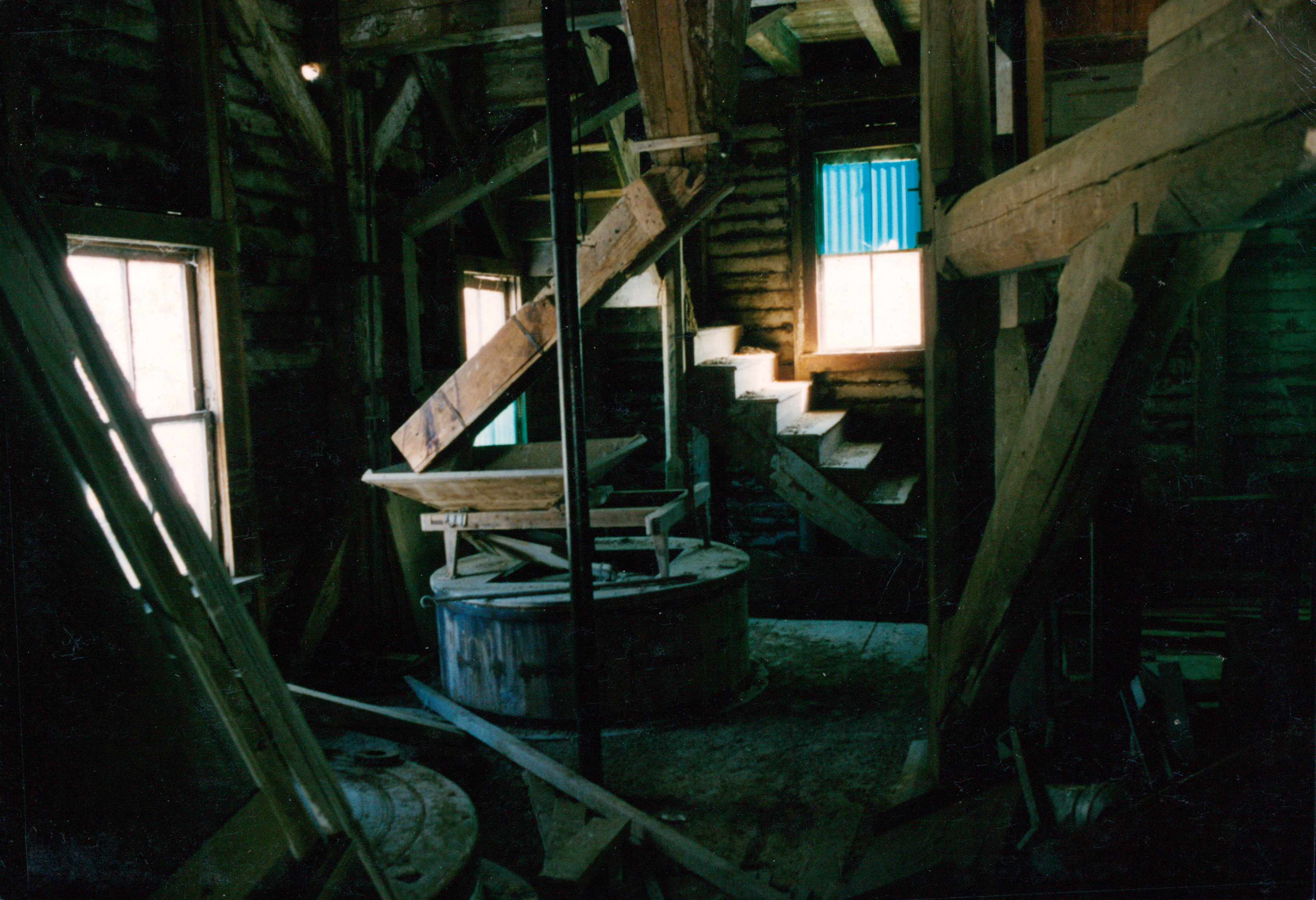
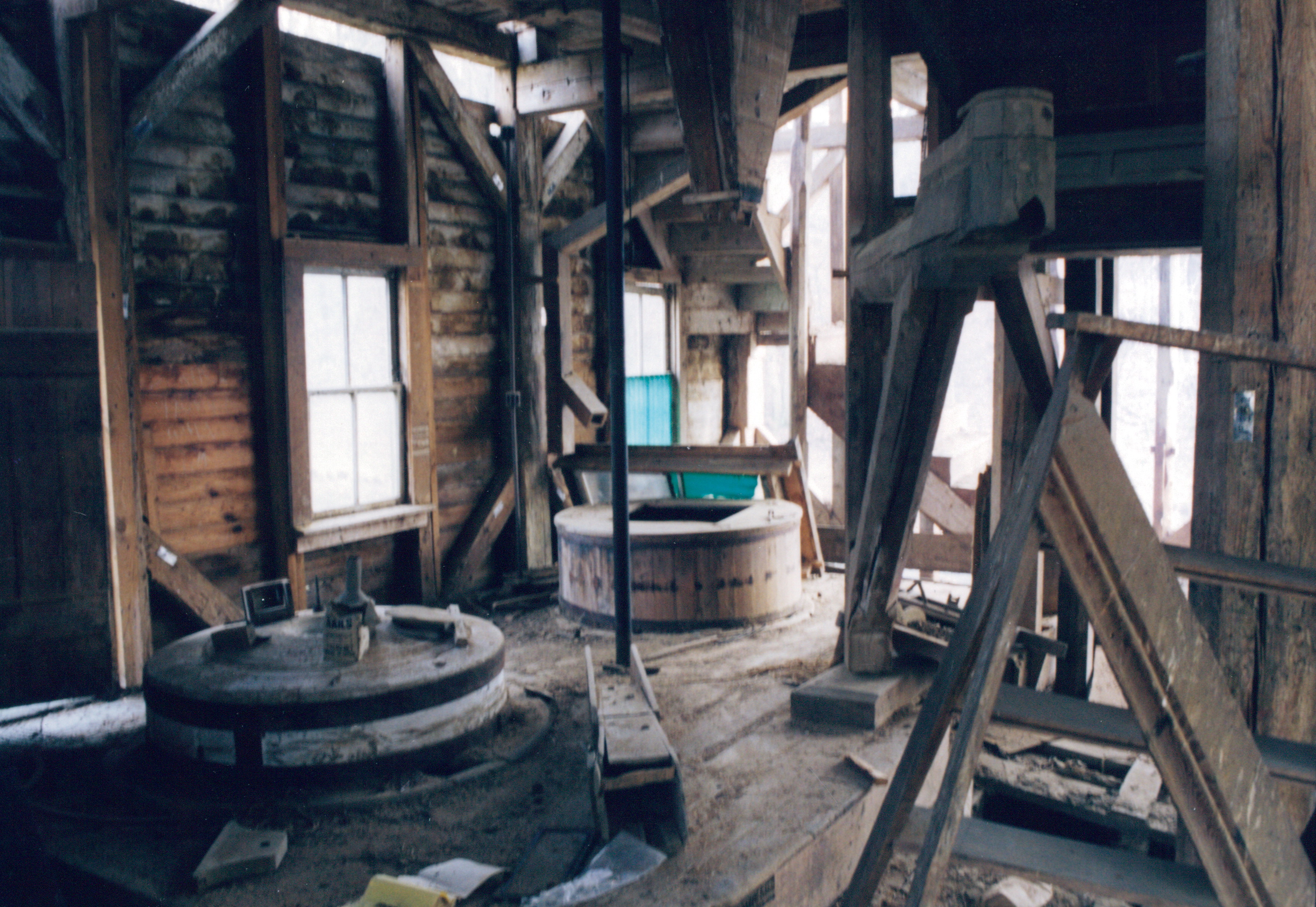
Everywhere I looked I discovered marvels of days gone by… from old mill stones… to massive wood cranes used to lift these stones into place, and to remove them, when they had worn down.

00001153

The Shenandoah Mill… part 52019-06-29T11:15:23+00:00
29 06, 2019

The Shenandoah Mill… part 3

2019-06-29T11:15:21+00:00

00001148

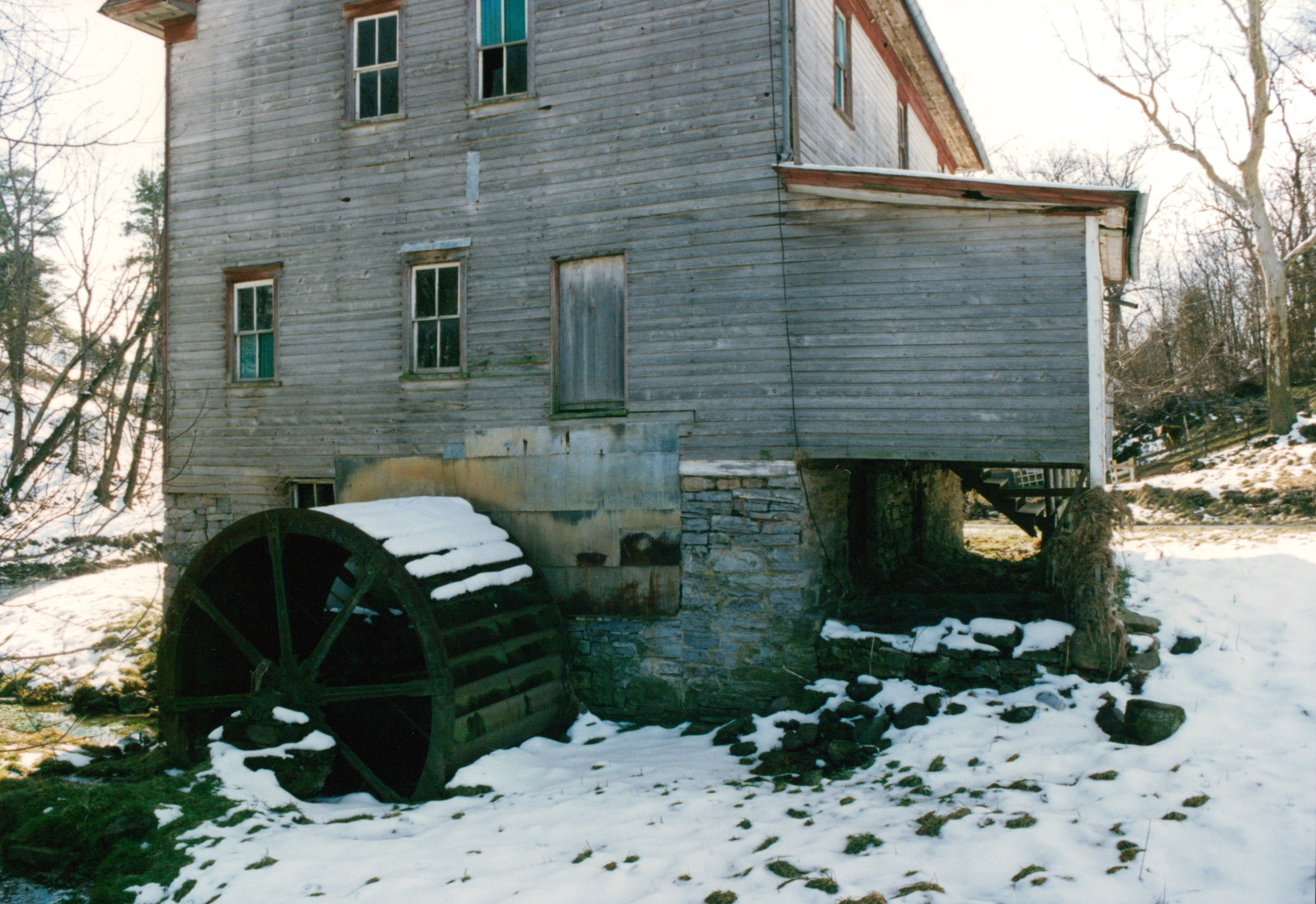
As you can see, “the chase” (where the water once flowed to power this Mill), had long ago filled in with soil and had partially buried the waterwheel. (We would later find that the bottom half of this wheel had rusted away).

Pre-Civil War barns and mills are rare in Virginia.

The Northern armies were ordered to burn all these structures as that War neared it’s end. The story goes that a team of Northern men were sent to burn this mill, but when they found that the Southern men who were guarding the Mill were also members of the Masons, they agreed to let the Mill stand.

The Shenandoah Mill… part 32019-06-29T11:15:21+00:00
Go to Top